
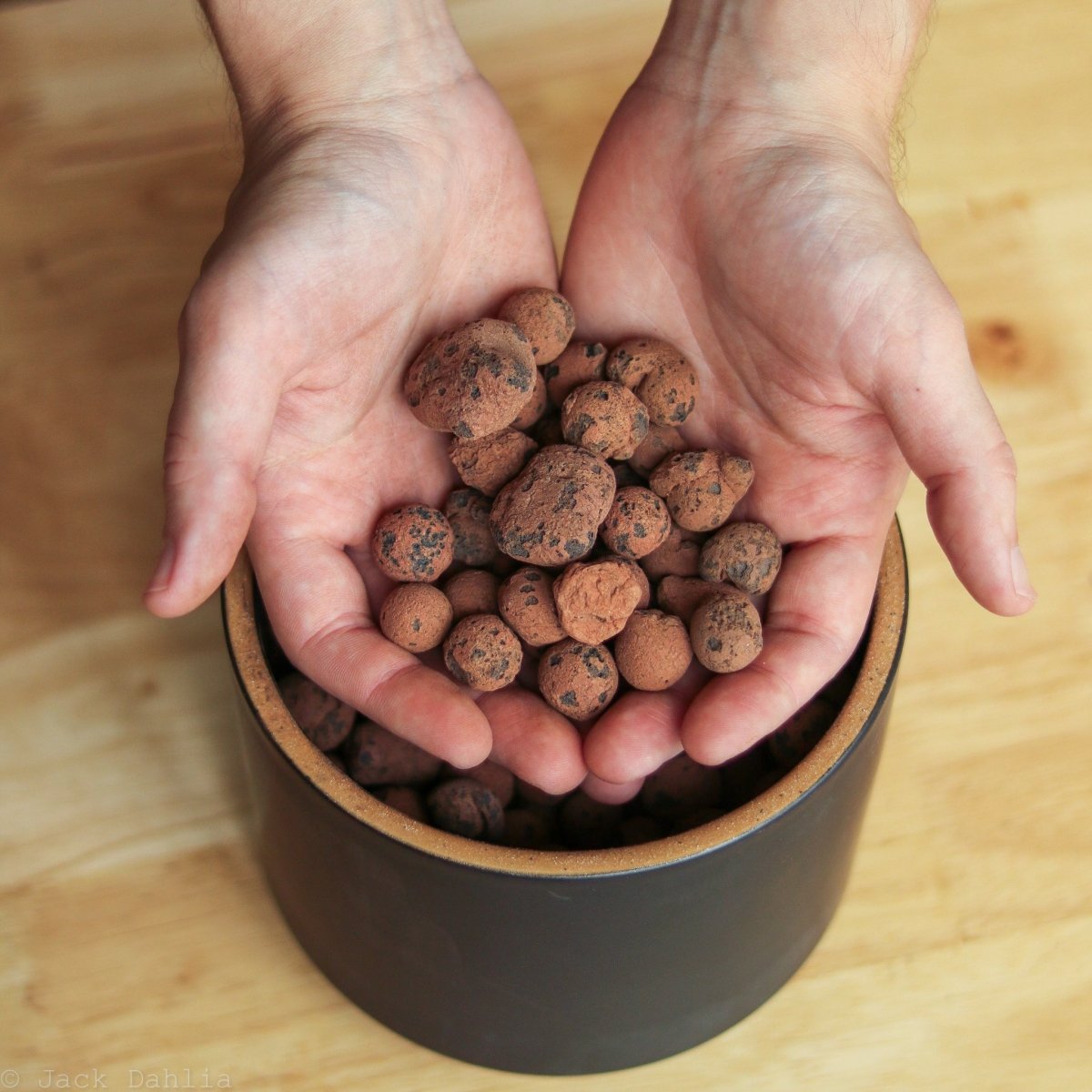
What is LECA?
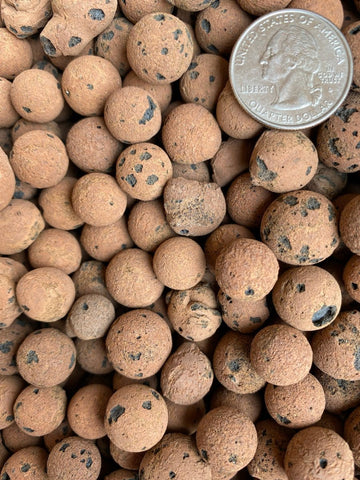
LECA stands for Lightweight Expanded Clay Aggregate—clay pebbles that hold some moisture and leave spaces for air around roots. In a semi-hydro setup, the pebbles support the plant above a reservoir. Water level, nutrients, and root health still need regular attention.
🌱 Why Plant Lovers are Switching to LECA
Pest Management: Removing potting mix does not eliminate fungus gnats: algae, fungi, and decaying roots can still support them. Keep the setup clean and check for pests.
Watering Made Easy: LECA holds moisture but also lets roots breathe.
Cleaner & Sleeker: Perfect for glass jars, modern planters, and hydroponic displays.
Room for Roots: Spaces between the pebbles allow airflow, but healthy roots still depend on suitable water, nutrients, and oxygen.

How to Get Started with LECA
- Rinse your LECA balls thoroughly to remove dust.
- Pre-soak them for 24 hours.
- If moving a plant from potting mix, gently rinse the mix from its roots. Place the plant in a clean net pot inside a watertight outer container, and fill around the roots with LECA. When comparing pots and planters, check how the reservoir and drainage will work.
- Add water to just below the roots, creating a reservoir. Keep moist LECA in contact with the roots, leave room for air above the waterline, and check the water level and roots regularly as the plant adjusts.
💡 Pro Tip: Use a complete hydroponic nutrient solution according to its label, including dilution and pH guidance. If using Plant Juice, consult Elm Dirt‘s hydroponic instructions and the current product label. An opaque reservoir helps limit algae; clean the container when changing the solution.
Our Favorite Brand for LECA
Sol Soils describes its LECA as kiln-fired clay pebbles. Preparation and care should follow the product instructions and the needs of the plant.
Which Plants Love LECA?
Ready to Try It? Check current details and availability on our LECA Balls from Sol Soils page. Start with one plant and monitor its roots and reservoir before moving more of your collection.
Sources: University of Minnesota Extension — Small-scale hydroponics; Cornell Cooperative Extension — Hydroponics at Home; Colorado State University — Fungus gnats.