
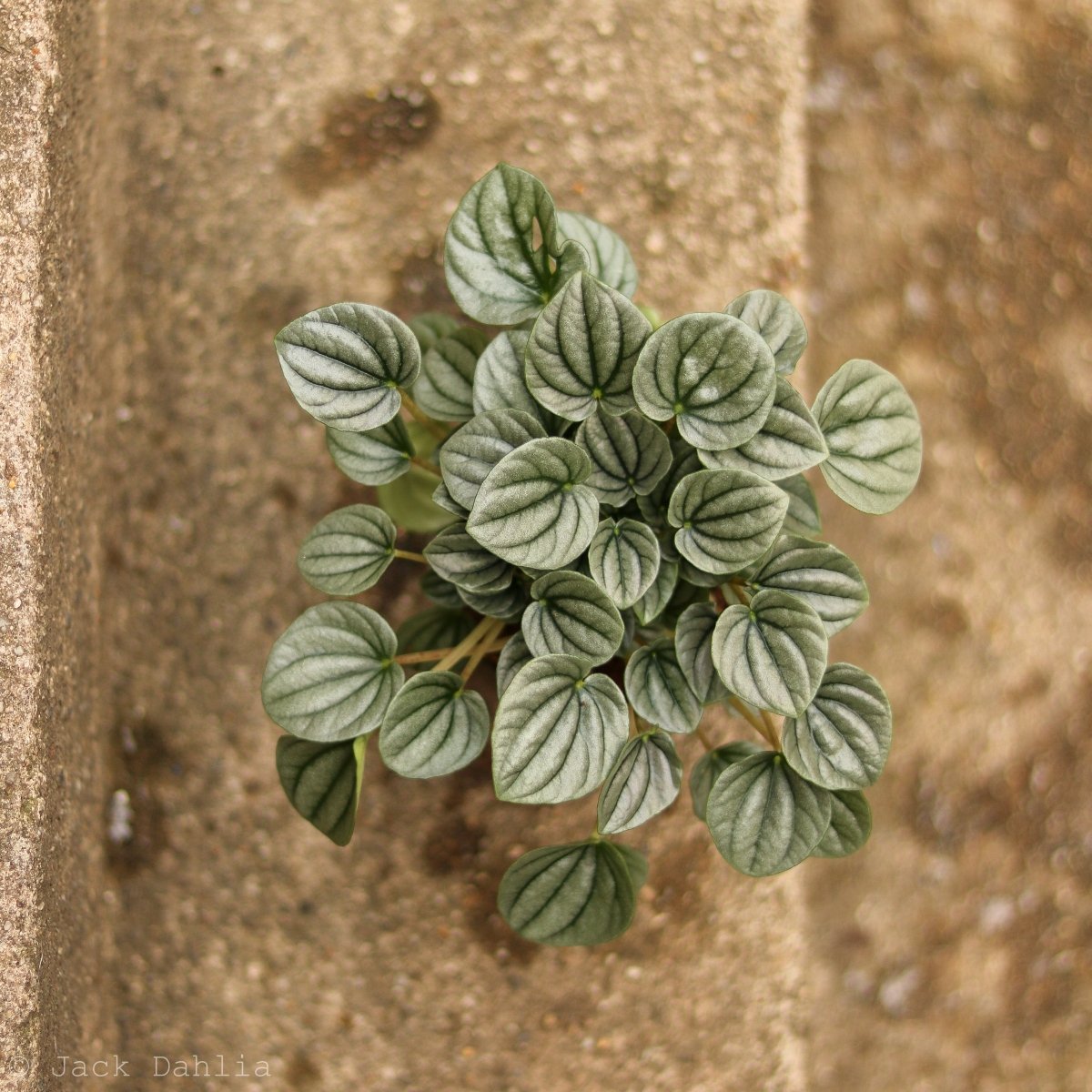
Peperomia Frost – Pet-Friendly Silver Ripple Peperomia
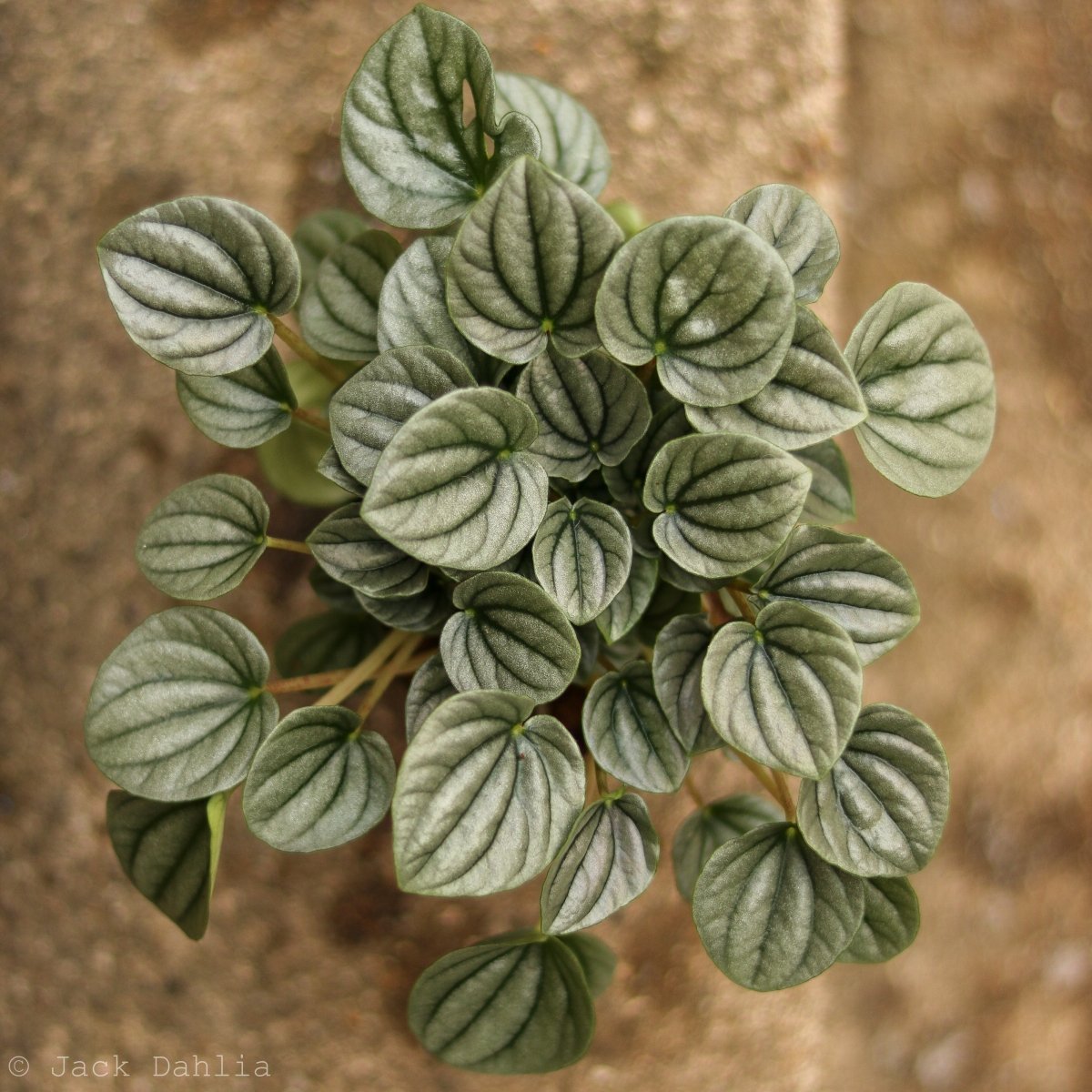
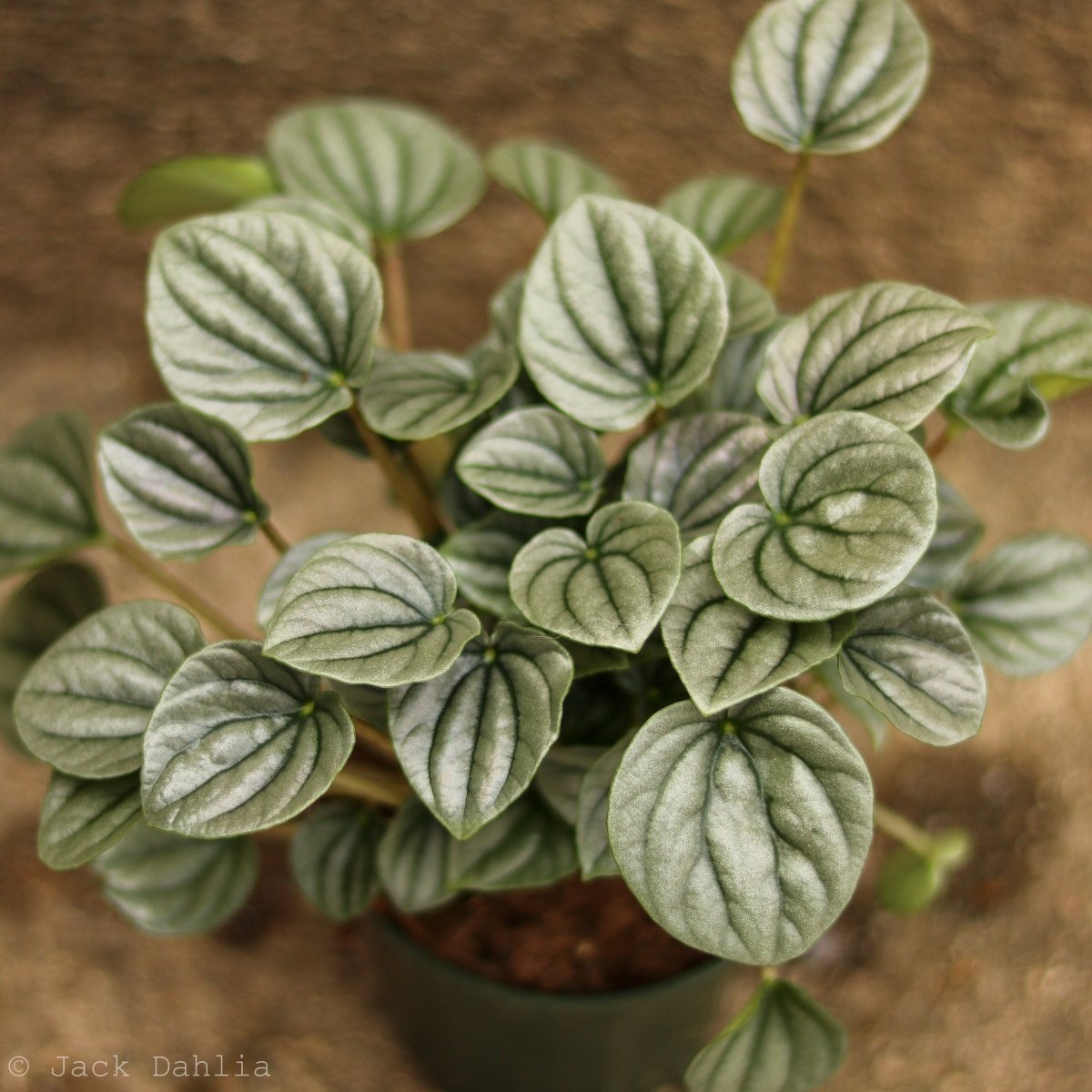
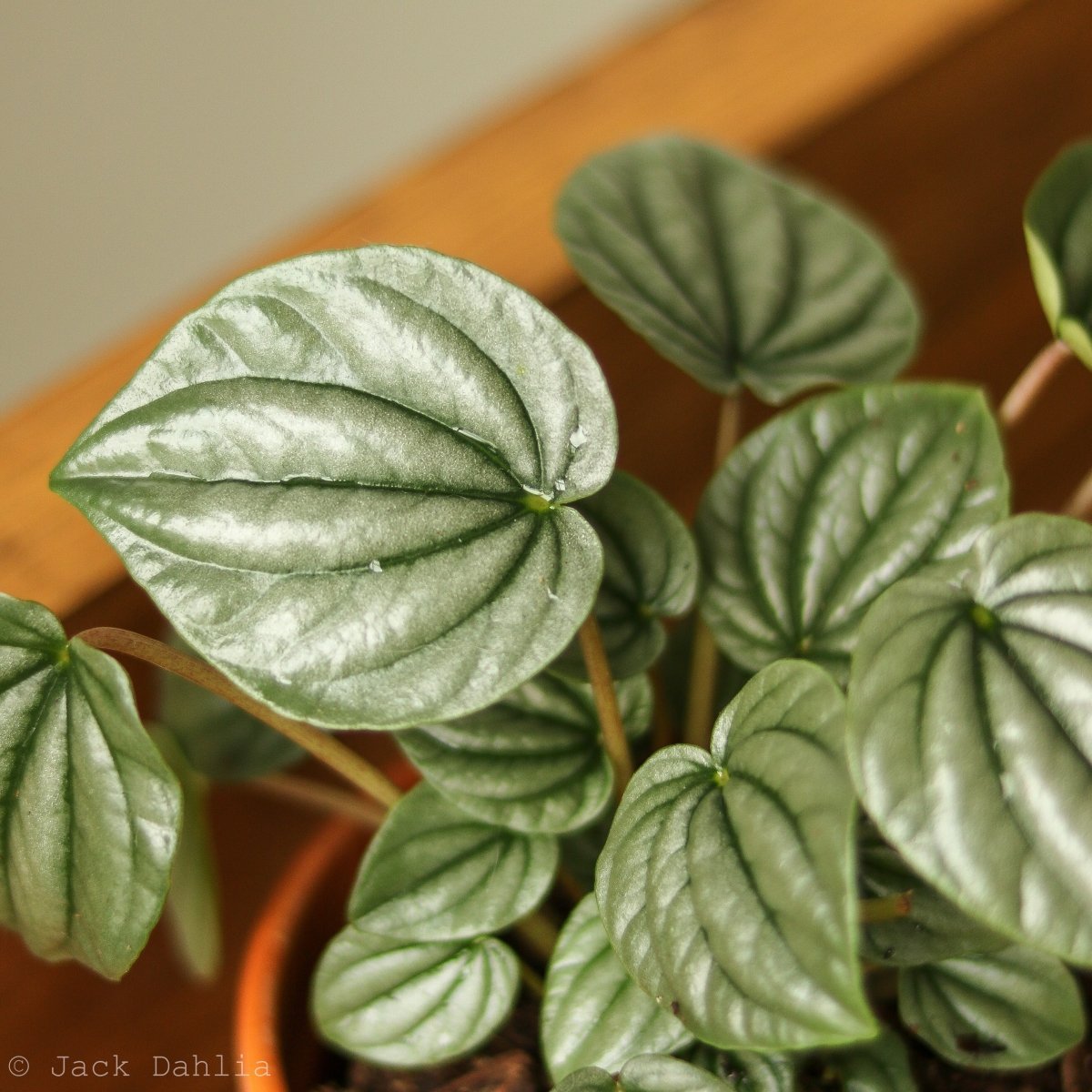
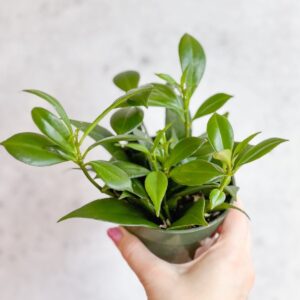
The Peperomia Frost (Peperomia caperata ‘Frost’) brings a cool, silvery glow to any houseplant collection. Its deeply textured, heart-shaped leaves appear brushed with silver, while darker green veins create a striking frosted effect.
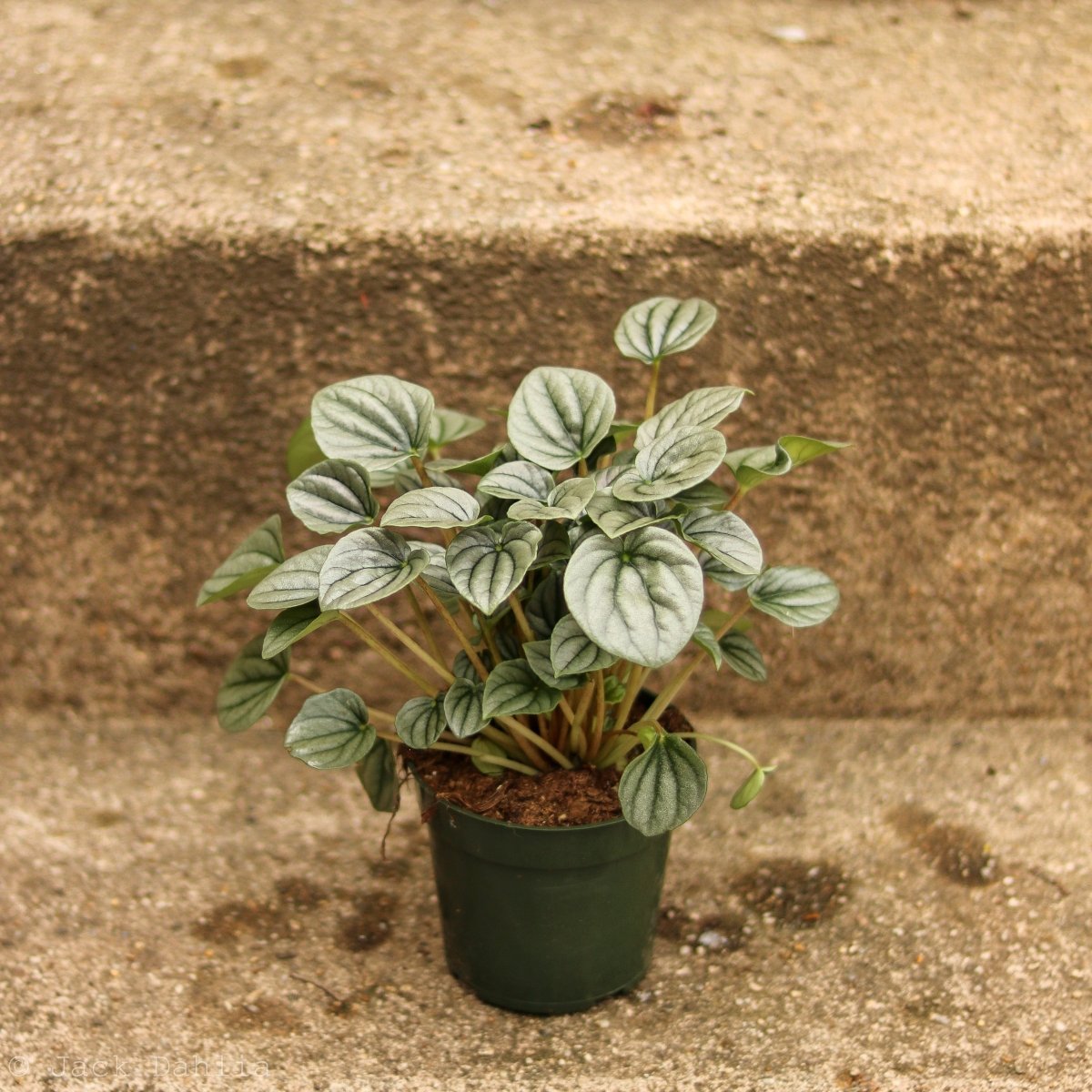
This compact tropical houseplant develops a dense, mounding growth habit that fits beautifully on desks, shelves, windowsills, and small plant stands. Its unusual metallic foliage makes it an excellent choice for collectors, but its manageable size and relatively simple care also make it suitable for beginners.
Like many Peperomia varieties, Peperomia Frost has thick leaves that store some moisture. It prefers to dry slightly between waterings and is generally much more sensitive to overwatering than to an occasional missed watering.
Peperomia Frost Plant Profile
- Botanical Name: Peperomia caperata ‘Frost’
- Common Names: Peperomia Frost, Frost Peperomia, Silver Ripple Peperomia
- Plant Family: Piperaceae
- Plant Type: Compact tropical perennial
- Species Origin: Brazil
- Growth Habit: Upright and mounding
- Mature Size: Approximately 6–12 inches tall and wide
- Care Level: Easy to moderate
- Pet Safety: Non-toxic to cats and dogs
How to Care for Peperomia Frost
Light Requirements
Peperomia Frost grows best in bright, indirect light. Good natural light helps maintain its compact shape and enhances the silvery color of its foliage.
- Place near an east- or north-facing window
- Provide filtered light near brighter south- or west-facing windows
- Avoid prolonged direct afternoon sun, which may scorch the leaves
- Can tolerate medium light, although growth may become slower or less compact
Rotate the plant occasionally so that all sides receive even light and the plant maintains a balanced shape.
Watering
Allow the top 1–2 inches of soil to dry before watering. Water thoroughly until excess moisture drains from the bottom of the pot, then empty any water remaining in the saucer or decorative planter.
Peperomia Frost has fleshy leaves that hold moisture, so consistently wet soil can quickly lead to root rot. Check the soil before watering rather than following a rigid schedule.
- Water less frequently during winter or periods of slower growth
- Soft, drooping, or slightly curling leaves may indicate thirst
- Yellowing leaves and wet soil may indicate overwatering
- Always use a planter with adequate drainage
Soil and Drainage
Use a loose, well-draining indoor potting mix that retains some moisture without remaining soggy. A blend containing indoor potting soil, perlite, and fine orchid bark can provide helpful airflow around the roots.
Peperomia plants have relatively compact root systems and generally prefer being slightly snug in their containers. Avoid placing the plant in an oversized pot, which can hold excessive moisture around the roots.
Humidity
Average household humidity is usually suitable for Peperomia Frost. It may appreciate moderately higher humidity during dry winter months, but consistently wet foliage and poor air circulation should be avoided.
- Preferred Humidity: Approximately 40–60%
- Keep away from heating vents and strong air-conditioning drafts
- A nearby humidifier may help in especially dry rooms
- Avoid allowing water to collect within the center of the plant
Temperature
Peperomia Frost prefers warm, stable indoor temperatures between 65–80°F. Protect it from sudden temperature changes, cold windows, and drafts.
Avoid exposing the plant to temperatures below approximately 55°F for extended periods.
Fertilizing
Feed once every four to six weeks during spring and summer with a balanced liquid houseplant fertilizer diluted according to the product instructions.
Reduce or discontinue feeding during fall and winter when the plant’s growth naturally slows. Overfertilizing can damage the roots or cause brown leaf edges.
Pruning and General Maintenance
Peperomia Frost naturally maintains a compact, mounded form and usually requires very little pruning.
- Remove yellow, damaged, or declining leaves as needed
- Cut spent flower spikes near the base if desired
- Wipe dusty leaves gently with a soft, damp cloth
- Use clean scissors or pruning shears to prevent spreading disease
Repotting
Repot every one to two years, or when roots have filled the container and the soil begins drying unusually quickly. Choose a new pot only 1–2 inches wider than the existing container.
Spring and early summer are generally the best times to repot, when the plant is actively growing and can recover more easily.
How to Propagate Peperomia Frost
Peperomia Frost can be propagated from stem or leaf cuttings:
- Select a healthy leaf with its stem attached or cut a healthy section of stem.
- Allow the cut surface to dry briefly.
- Place the cutting in a lightly moist, well-draining potting mix.
- Keep it in a warm location with bright, indirect light.
- Maintain light moisture without saturating the soil.
- New roots and growth may appear after several weeks.
Several rooted cuttings can be planted together to produce a fuller-looking plant.
Common Peperomia Frost Problems
Why are the leaves turning yellow?
Yellow leaves are frequently associated with excessive watering, poor drainage, or soil remaining wet for too long. Allow the soil to dry appropriately and confirm that the planter has open drainage holes.
Why are the leaves curling or drooping?
Leaves may curl or droop when the plant is too dry, exposed to cold temperatures, or experiencing root stress. Check the soil before adding water, as both underwatering and overwatering can produce similar symptoms.
Why are the leaf edges turning brown?
Brown edges may result from very dry air, irregular watering, excessive fertilizer, mineral buildup, or exposure to strong direct sunlight.
What pests affect Peperomia Frost?
Peperomia Frost may occasionally attract spider mites, mealybugs, scale, or fungus gnats. Inspect the undersides of the leaves and the points where leaves meet the stems. Isolate affected plants and treat pests promptly.
Is Peperomia Frost Pet-Friendly?
Yes. Peperomia Frost is considered non-toxic to cats and dogs, making it a popular choice for pet-friendly homes. However, houseplants are not intended for consumption, and chewing may still cause mild digestive discomfort.
Why You’ll Love Peperomia Frost
- Shimmering silver foliage with dark green veining
- Compact size for shelves, desks, and small spaces
- Distinctive rippled leaf texture
- Pet-friendly and non-toxic to cats and dogs
- Does not require high humidity
- Maintains an attractive mounding growth habit
- Beautiful alone or grouped with other tropical houseplants
- A rewarding choice for beginners and collectors
Please note: Each plant is naturally unique. Leaf shape, silver coloration, fullness, size, and growth pattern may vary slightly from the plant shown.
Reviews
There are no reviews yet.