
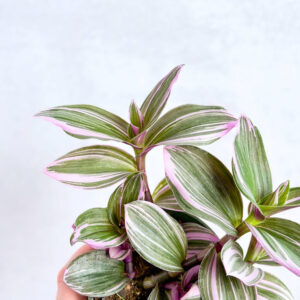
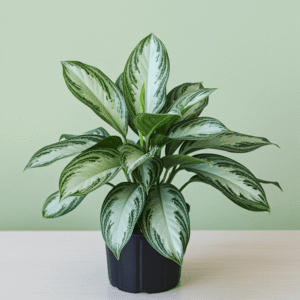
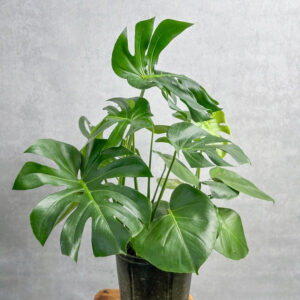
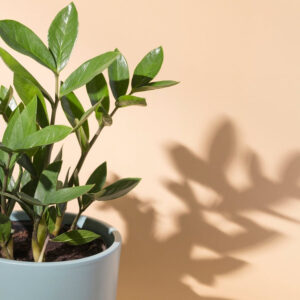
Philodendrons are the kind of plants that make a room feel lived-in: heart-shaped vines spilling off a shelf, dramatic leaves climbing a support, or a compact plant putting out a fresh flush of color. They’re often called easy-care houseplants, but here’s the catch: not every Philodendron grows the same way, and an easy plant can still struggle in the wrong pot.
If you’re wondering how to care for a Philodendron, start by figuring out whether yours trails, climbs, or grows upright. Then get the light, watering, and drainage right. You won’t need a complicated routine.
Ed’s quick care check
Light: Bright, indirect light suits most indoor varieties. Water: Check the mix below the surface rather than following a fixed schedule. Pot: Drainage holes are nonnegotiable. Growth: Give climbing types something to climb, and leave upright types room to spread.
Why We Love Philodendrons
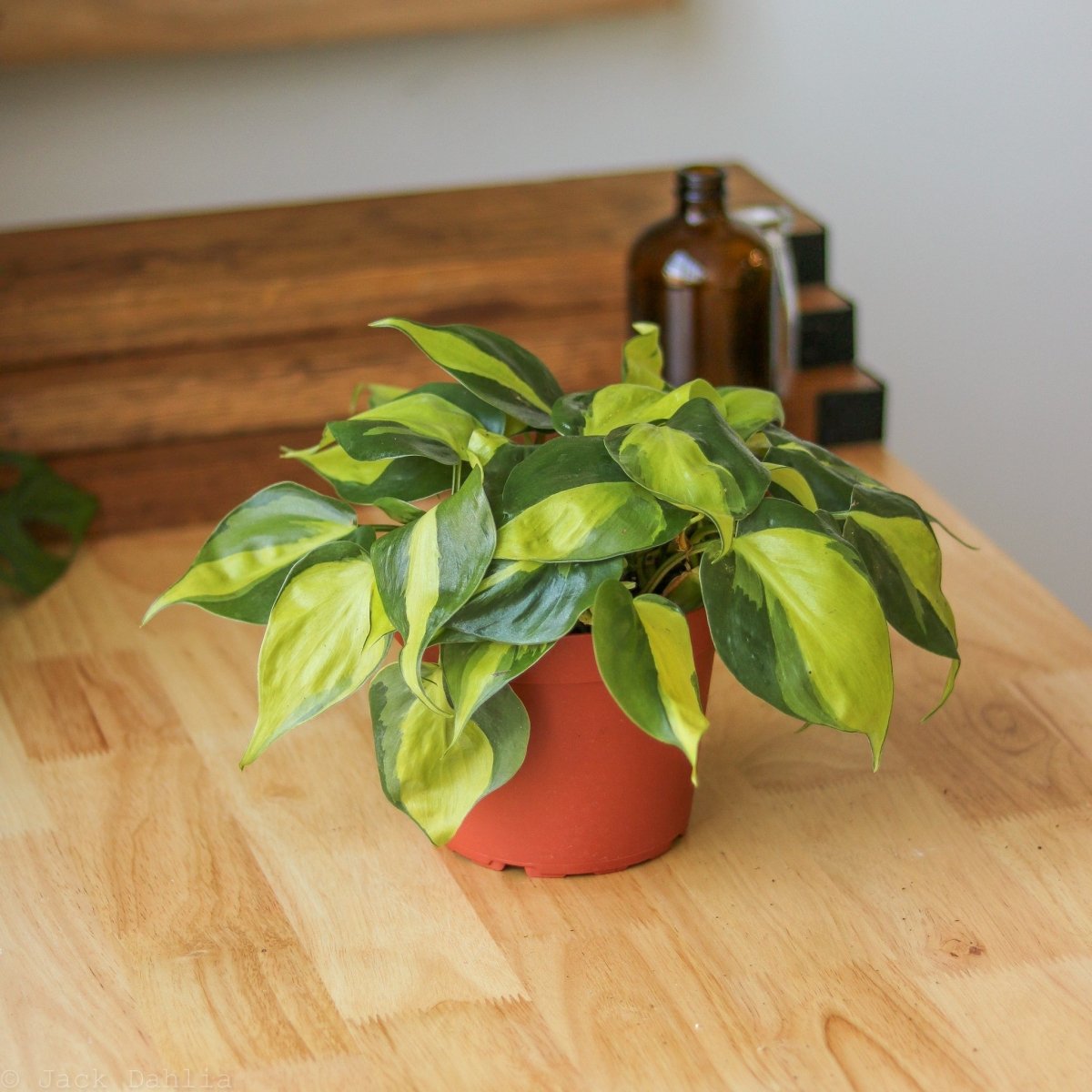
It’s the range. A Philodendron ‘Brasil’ can spill over a bookshelf with its streaked green-and-lime leaves; Brandtianum brings a silvery finish to a trailing vine; and Silver Sword looks especially good climbing a support. They’re all Philodendrons, but choosing by growth habit and the light you actually have is smarter than choosing from a pretty photo alone.
They’re popular because many varieties adapt well to ordinary homes and don’t demand constant attention. That’s different from claiming a few plants will clean the air in your apartment: meaningful indoor air quality is better addressed through ventilation and dealing with pollution sources, not houseplant promises.
Types of Philodendrons: Trailing, Climbing, and Upright
Trailing and climbing Philodendrons
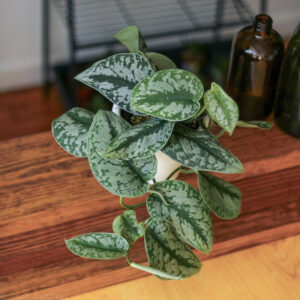
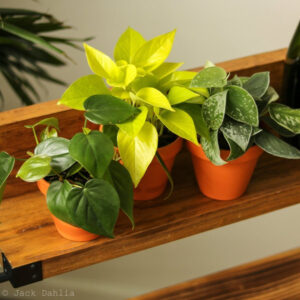
Philodendron ‘Brasil’ (Philodendron hederaceum) has flexible vines that can trail from a hanging basket or climb a pole. A climbing setup can encourage a different, more mature-looking growth habit over time; leaving it to trail is completely fine, too. Philodendron brandtianum is another vining type, known for its silvery foliage.
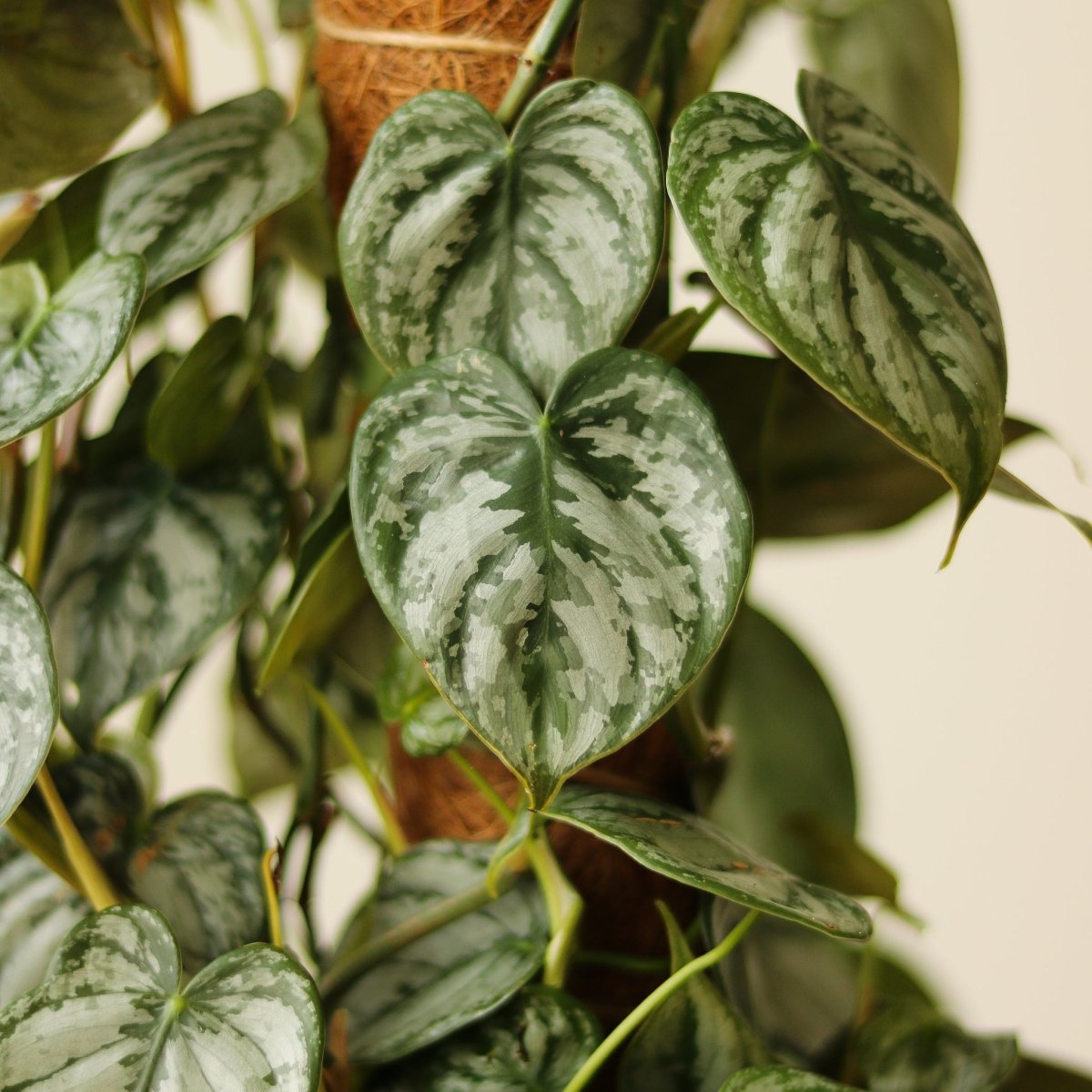
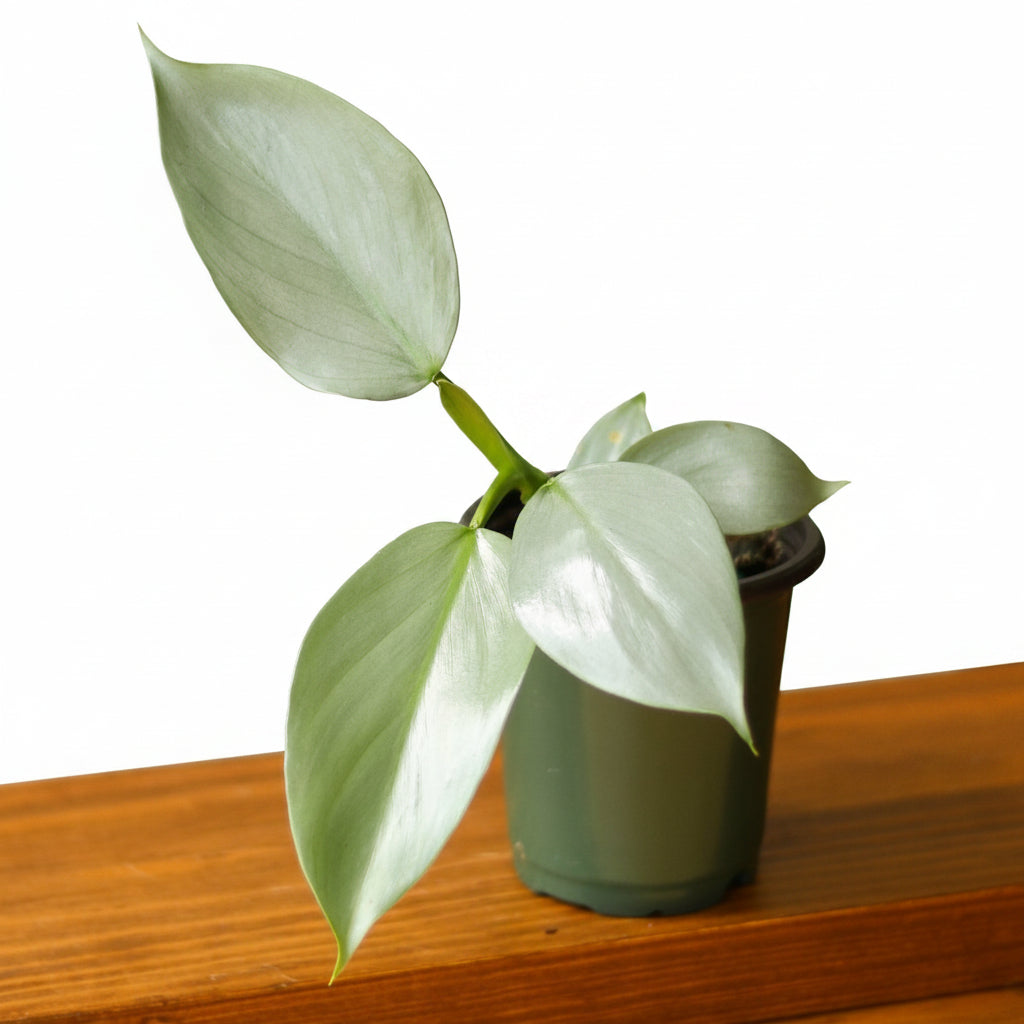
Some climbing Philodendrons have much more unusual foliage. Philodendron hastatum ‘Silver Sword’, for example, develops long, pointed, silvery leaves rather than the familiar heart-shaped vines.
A botanical mix-up worth clearing up: The Swiss cheese vine, Monstera adansonii, is related to Philodendrons but belongs to the genus Monstera. You’ll sometimes see these plants grouped together in shops because their care overlaps, not because they’re the same genus.
Upright or self-heading Philodendrons
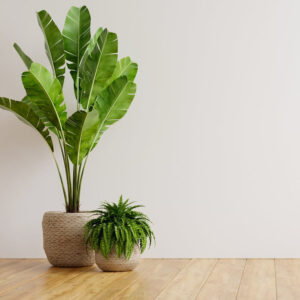
These don’t make long trailing vines in the same way. Their leaves emerge around a tighter central growth point, and the plant develops a fuller, more architectural shape instead of long hanging stems. Give these types enough room for the leaves to open without crowding them against a wall. Their care basics overlap with vining varieties, but they won’t behave like a basket of trailing vines.
Unsure which type you have? Look at where each new leaf emerges. Long stems with spaced-out leaves and visible nodes point to a vining habit; leaves emerging from a tighter central growth point suggest a self-heading plant. Our guide to Philodendron growth habits goes deeper.
How to Care for a Philodendron Indoors
Light: bright, indirect is the sweet spot
Most common indoor Philodendrons do well near a bright window without taking the full force of harsh afternoon sun. A little gentle morning light may be fine, but bleached or papery patches are a cue to move the plant back. If the stems stretch and the leaves grow smaller or farther apart, it may need more light.
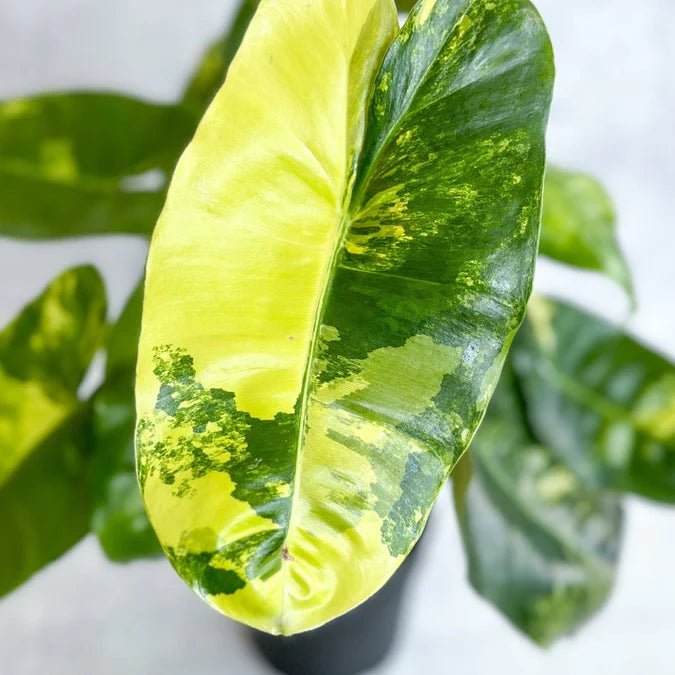
Variegated plants such as Brasil often show their pattern better in good indirect light. Don’t put one in a dark corner and expect it to keep looking like its product photo.
Watering: read the soil, not the calendar
Stick a finger into the top inch or two of potting mix and lift the nursery pot. If it still feels heavy and damp, wait. When the mix has dried appropriately for that plant and pot, water thoroughly until excess runs out the drainage holes. Empty the saucer or decorative cover pot afterward.
Small pots in bright, warm rooms dry faster than large pots in cool, dim spaces. That’s why ‘water every seven days’ is a poor universal rule. Drooping doesn’t automatically mean thirst, either: a plant with waterlogged, damaged roots may droop while its soil is still wet.
Soil, drainage, and repotting
Use an airy indoor potting mix that holds a little moisture but doesn’t stay soggy. Perlite or orchid bark can improve the structure of dense mix. Always choose a pot with drainage; a decorative planter without a hole works best as a cover around a removable nursery pot.
Repot when the root ball is crowded, water rushes straight through, or the mix has broken down—not because a calendar says it’s time. Go up roughly one pot size, rather than moving a little plant into an enormous container that stays wet for weeks.
Temperature and humidity
Keep your Philodendron away from cold drafts, hot radiators, and direct blasts from AC or heating vents. Many common varieties manage in typical indoor humidity, although some thin-leaved or collector types appreciate more. Crispy edges can signal dry air, but first rule out watering and root problems. Misting isn’t a reliable way to change room humidity for long.
Fertilizer
Feed modestly when the plant is actively growing, using a balanced houseplant fertilizer according to its label. Hold off if the plant is stressed, the roots are unhealthy, or the mix is staying wet. More fertilizer won’t rescue a plant whose roots can’t function.
Pruning, support, and propagation
Trim long vines just above a node to encourage a tidier shape, or guide climbing stems onto a suitable pole or trellis. For vining Philodendrons, take a healthy cutting that includes at least one node; a leaf without a node won’t grow into a new vine. Root the node in water or a suitable moist medium, then pot it up once roots are established.
Don’t assume the same cutting method works for compact, self-heading types. Those are better left intact unless you’re dealing with a plant that has developed a separate rooted growth point.
What Your Philodendron Is Trying to Tell You
- Yellow leaves and wet mix: Check drainage, the pot size, and the roots before watering again.
- Drooping with dry mix: Water thoroughly and let it drain; judge recovery by firm leaves and new growth.
- Brown, crispy patches on window-facing leaves: Look for direct-sun scorch.
- Long gaps between leaves or weak growth: Try a brighter spot, adjusting gradually.
- Sticky leaves, webbing, or speckling: Inspect leaf undersides for pests and treat only after identifying the problem.
Our approach is to change one thing at a time. If you repot, fertilize, move the plant, and double the watering all in one afternoon, you’ll have no idea what actually helped.
Which Philodendron Fits Your Space?
These are the varieties we found with positive inventory in Shopify when updating this guide. The available pot sizes can change, so check the options on each product page before ordering.
- Philodendron ‘Brasil’: A trailing or climbing heartleaf variety with lively green-and-lime markings; a good fit for shelves, baskets, and poles.
- Heartleaf ‘Lemon Lime’: Chartreuse foliage if you want a bright, easygoing vine; select one of the available sizes.
- Philodendron brandtianum ‘Silver Leaf’: Silvery, mottled leaves on a vine that can hang or climb.
- Philodendron ‘Silver Sword’: A climbing choice with elongated, cool-toned leaves that looks great on a support.
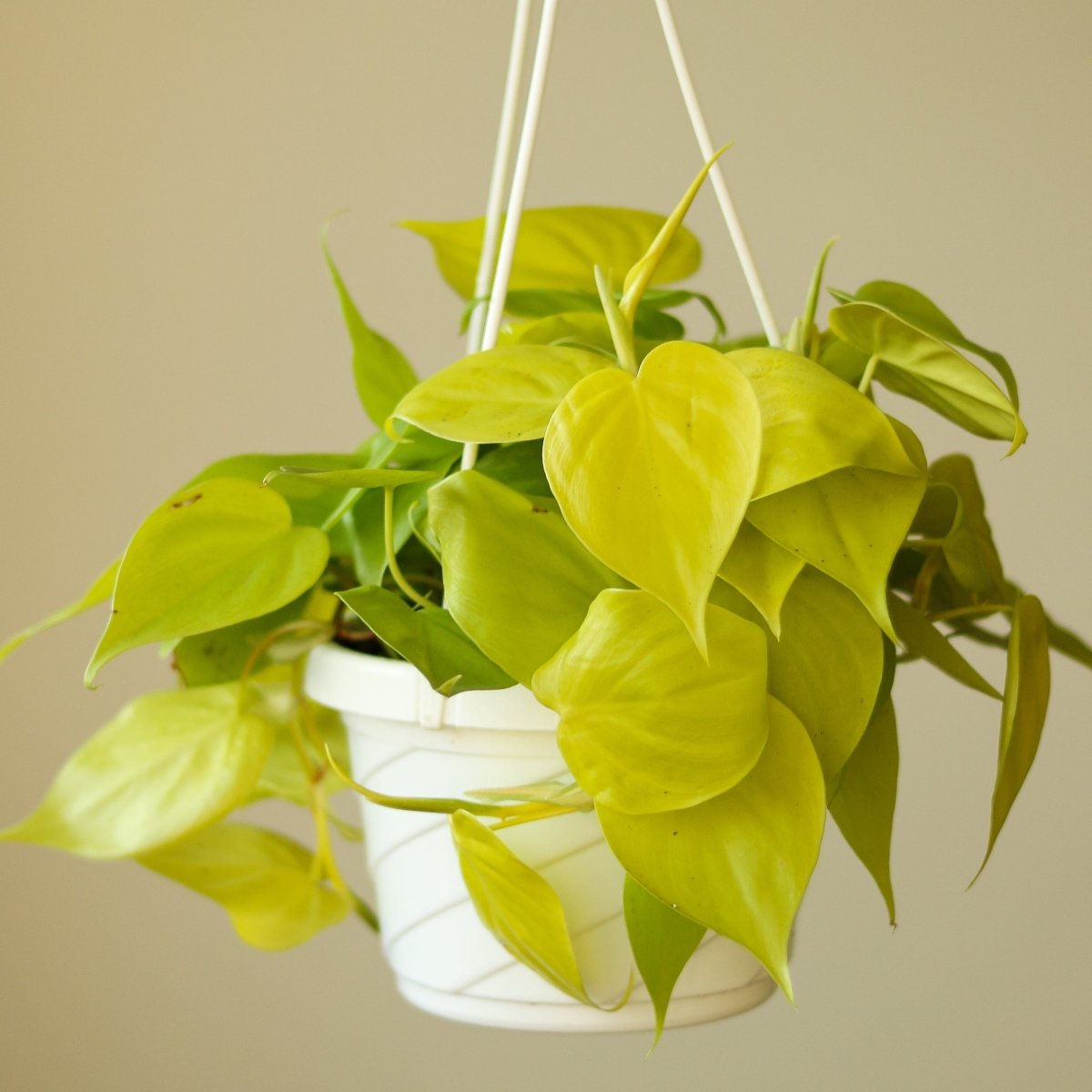
Choose for your actual light and available space, not just the leaf color. Inventory is a snapshot, not a promise of immediate dispatch; each listing shows its currently available options and fulfillment details.
The Bottom Line
Philodendron care doesn’t need to be a science project. Give your plant useful light, an airy mix, drainage, and a watering routine based on how quickly its pot dries. Pay attention to whether it climbs, trails, or grows upright. Get those basics right, and the dramatic foliage can do the rest.