
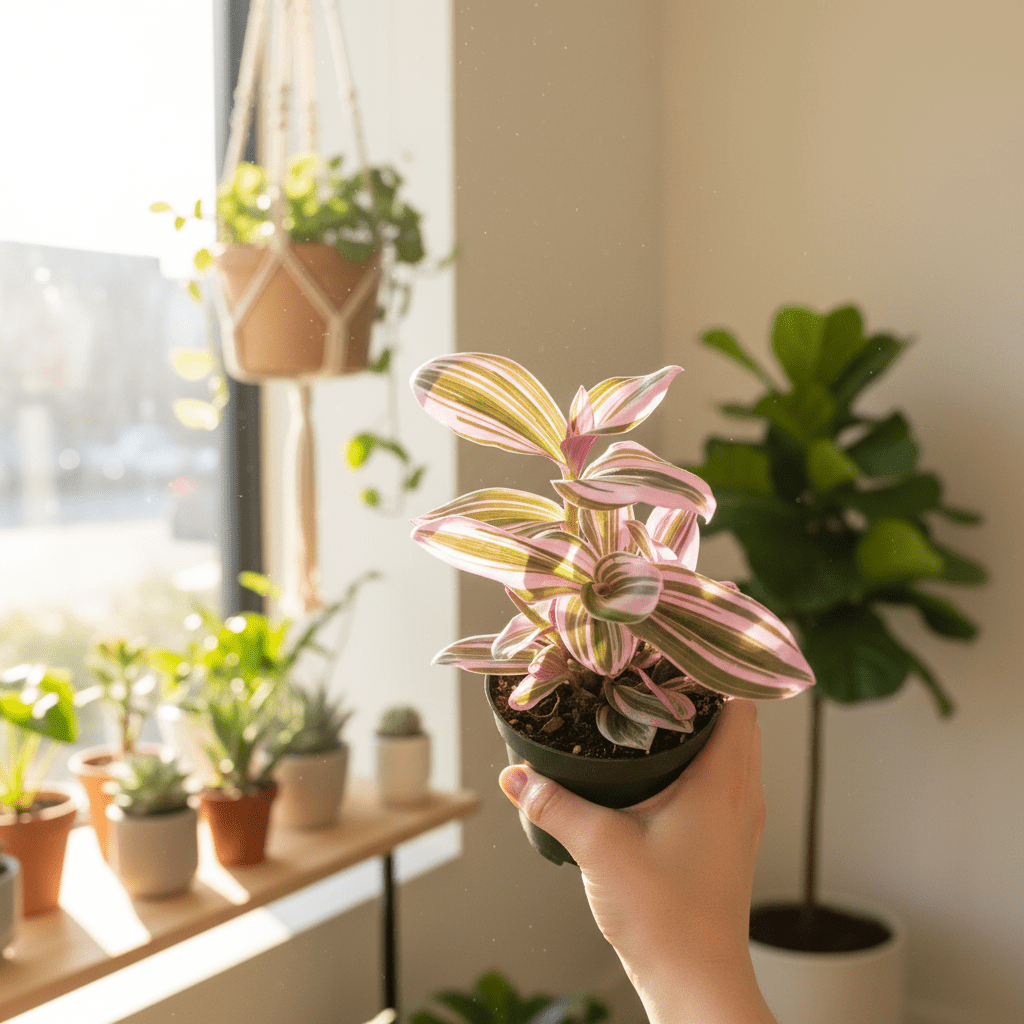
Plant tags love the phrase bright, indirect light. NYC apartments are rarely that simple.
A window may face south and still look directly into a brick wall. An east-facing window might lose half its morning sun to a fire escape. A bright room can suddenly become much darker when scaffolding goes up outside. Even two apartments in the same building can have completely different growing conditions.
That is why choosing the right houseplant starts with more than finding something labeled “low light.” First, determine which direction your window faces. Then look at what is outside the window, how long the room stays bright and how far the plant will sit from the glass.
This guide will help you find the best houseplants for north-, south-, east- and west-facing windows, with practical advice for the courtyards, neighboring buildings, radiators and unpredictable light that come with growing plants in New York City.
Looking for more general recommendations for compact city spaces? Read our guide to the best houseplants for NYC apartments.
First, Find Out Which Direction Your Window Faces
The easiest method is to open the compass app on your phone and stand facing the window. The direction you are looking is the direction the window faces.
- Check in the morning: Look at the window between approximately 8 and 10 a.m.
- Check around midday: Notice whether the room becomes substantially brighter or receives direct sun.
- Check in the afternoon: Look again between approximately 3 and 5 p.m.
- Observe the obstacles: Note buildings, trees, fire escapes, balconies, screens and scaffolding.
- Watch the shadows: A sharp shadow usually indicates direct sun. A soft shadow suggests bright indirect light. Almost no visible shadow usually means lower light.
Remember: Window direction is a starting point, not a guarantee.
Quick Guide to NYC Apartment Window Light
| Window Direction | Typical Light | Best Plant Types | Common NYC Issue |
|---|---|---|---|
| North | Soft, indirect and generally lower light | Dark-green foliage, trailing plants and adaptable low-light varieties | Courtyards and neighboring buildings can make it considerably darker |
| East | Gentle morning sun followed by indirect light | Most tropical houseplants, variegated foliage and compact plants | Fire escapes or nearby buildings may block useful morning sun |
| West | Bright, warmer afternoon light | Colorful foliage, adaptable vines and plants that appreciate brighter light | Summer afternoon sun can scorch leaves close to the glass |
| South | The brightest and longest-lasting exposure when unobstructed | Succulents, sun-loving plants and tropical plants placed farther back | A brick wall across an airshaft can turn an apparent south exposure into low light |
Best Houseplants for North-Facing Windows
North-facing windows generally receive soft, indirect light. Keep plants close to the window — the farther they move from the glass, the less usable light reaches their leaves.
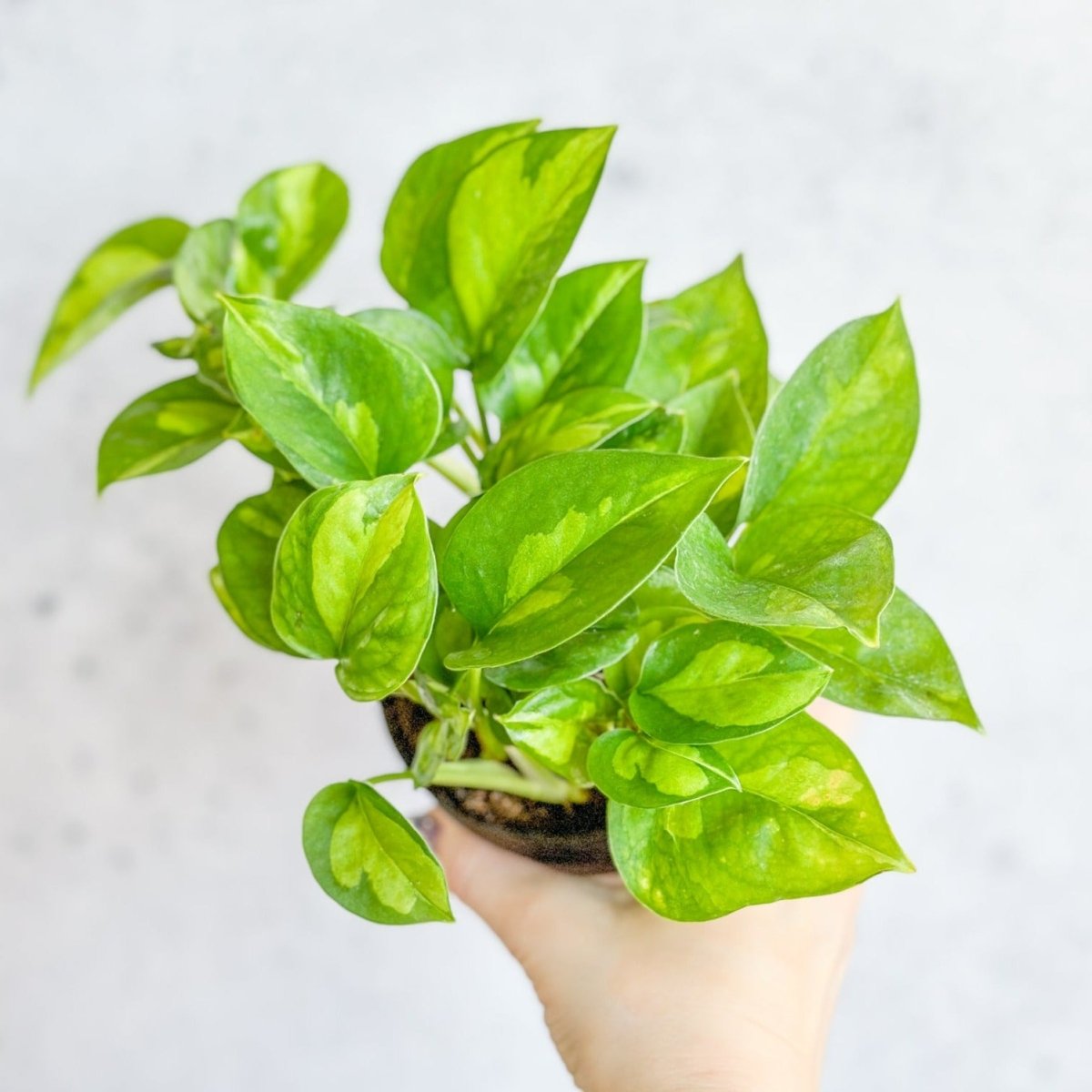
Global Green Pothos
The Global Green Pothos brings layered green variegation without demanding intense sunlight — a strong choice for bookshelves and hanging planters.
Heartleaf Philodendron
Heartleaf Philodendron performs well in indirect light and trails beautifully from a shelf without taking up floor space.
Snake Plants and ZZ Plants
Upright snake plants and sculptural ZZ Plants tolerate softer light and fit narrow apartments well. Explore additional low-light houseplants.
Best Houseplants for East-Facing Windows
East-facing windows receive gentle morning sun before the strongest heat of the day — often the easiest exposure for tropical houseplants.
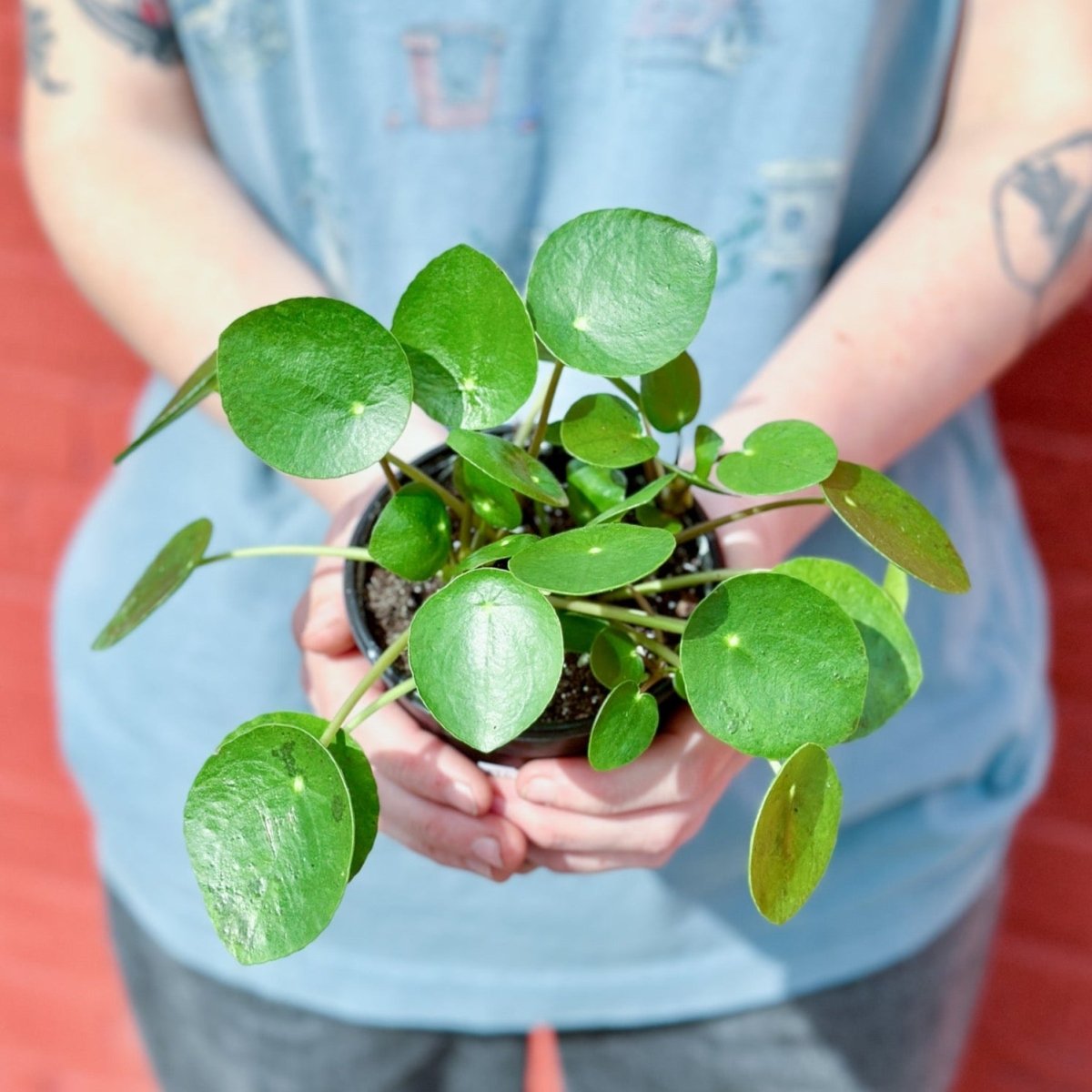
Pilea Peperomioides
The Pilea Peperomioides is an excellent match for an east-facing windowsill. Rotate a quarter-turn every week or two for even growth.
Philodendron Brasil
Philodendron Brasil combines trailing growth with lime and yellow variegation — an east window maintains its color without harsh midday exposure.
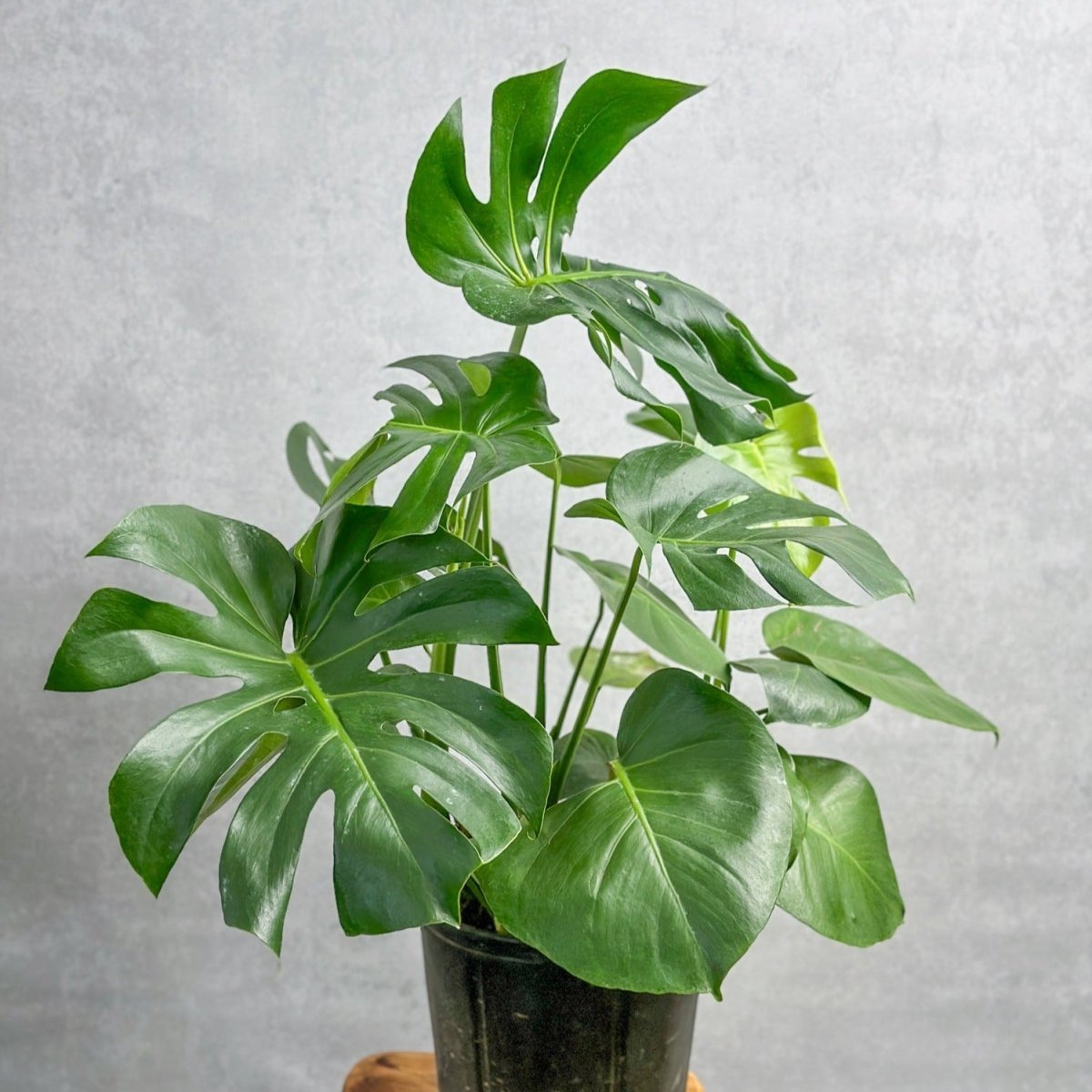
Monstera Deliciosa
A young Monstera grows beautifully near an east-facing window, developing characteristic splits with good light.
Best Houseplants for West-Facing Windows
West-facing windows become much brighter during the afternoon. In summer, the glass can become surprisingly hot — sensitive foliage may need a sheer curtain or some distance from the glass.
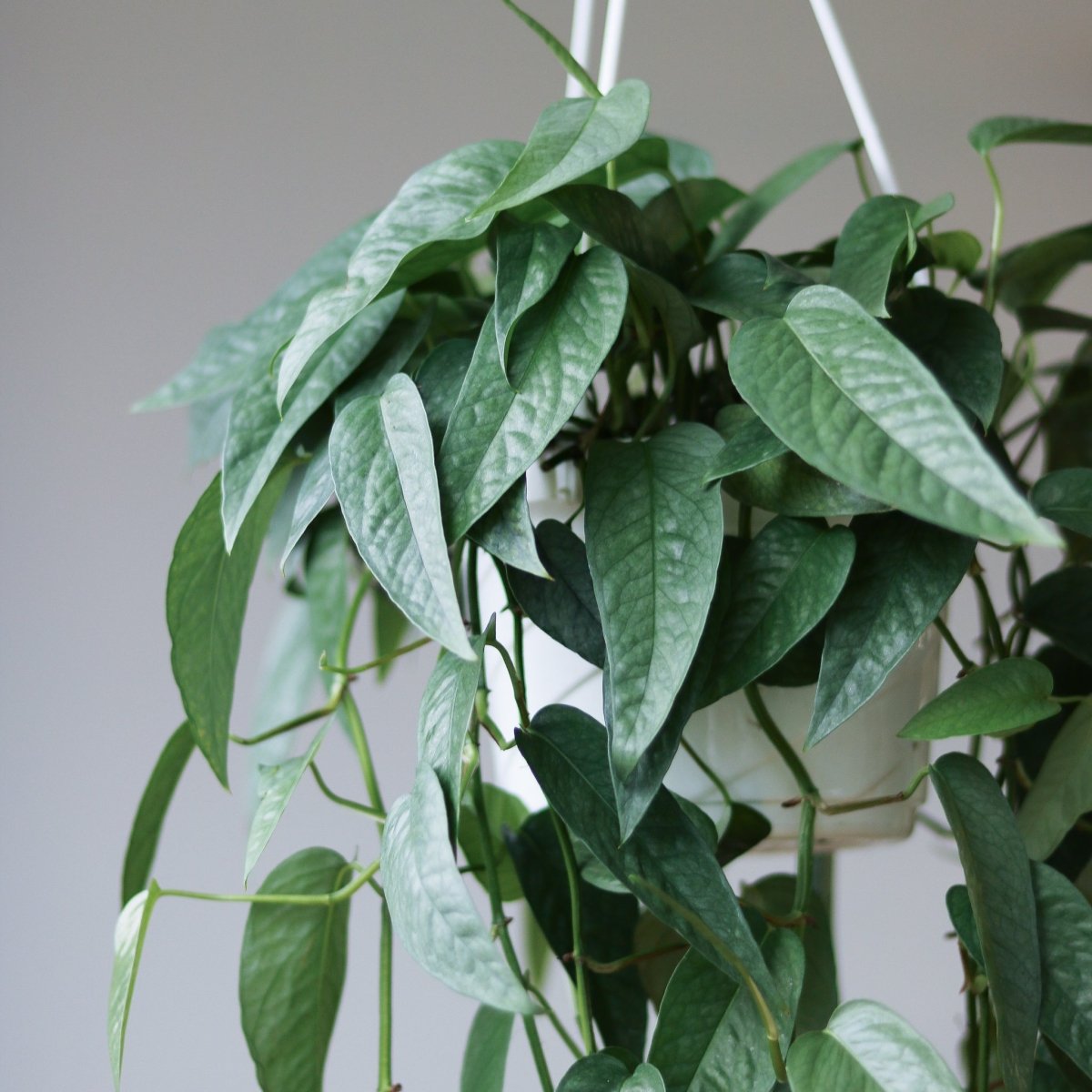
Cebu Blue Pothos
The Cebu Blue Pothos looks its best with plenty of indirect light. Place it outside the hottest direct afternoon rays.
Monstera Deliciosa
A Monstera works in a west-facing room when it sits a few feet back or behind a sheer curtain. Watch for pale or crispy patches in the first few weeks.
Best Houseplants for South-Facing Windows
An unobstructed south-facing window provides the strongest and longest-lasting light. Use the brightest area for plants that genuinely appreciate stronger light; place tropical foliage farther back.
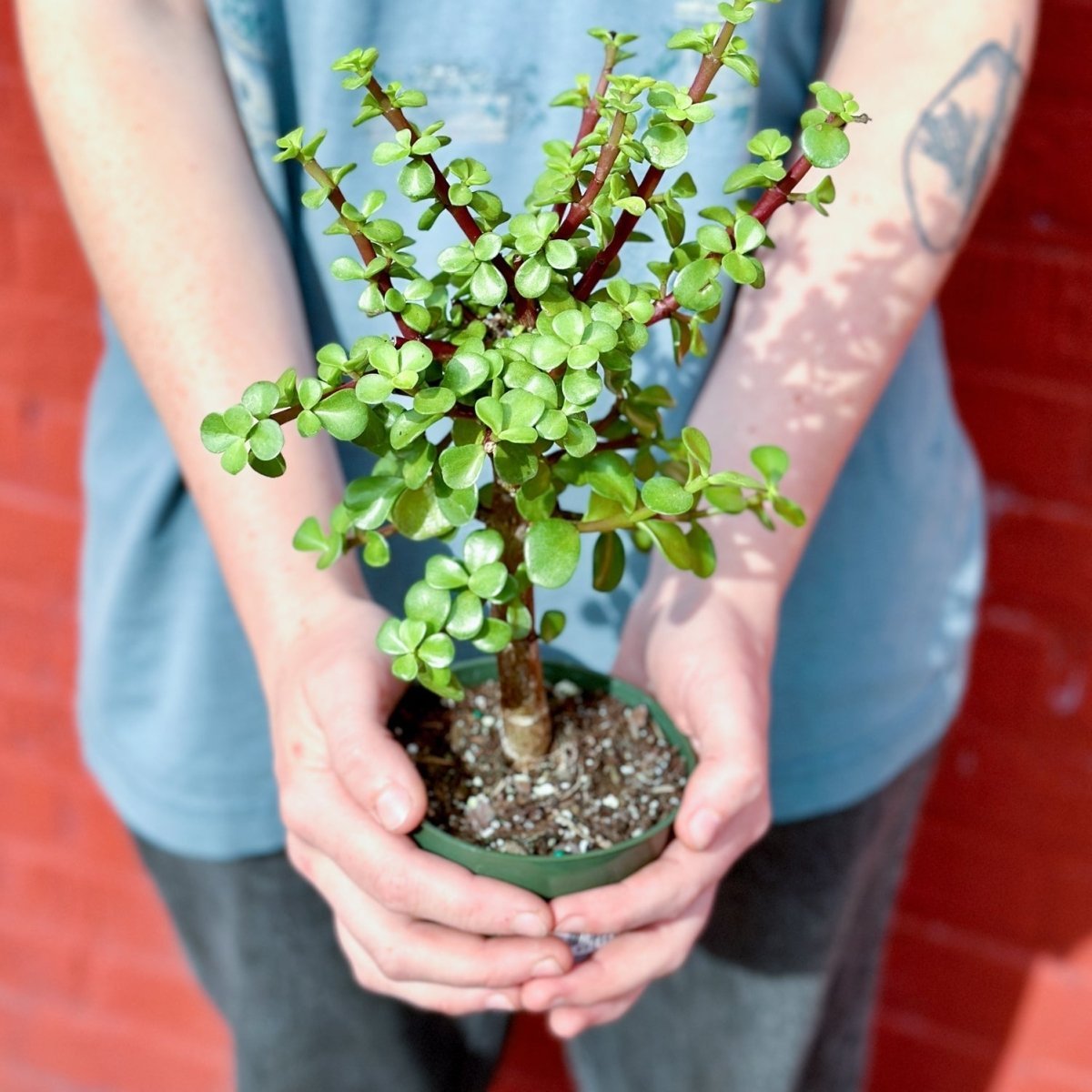
Elephant Bush
The Elephant Bush handles considerably brighter conditions than most tropical houseplants. Allow the potting mix to dry between waterings.
Monstera and Snake Plants
A Monstera positioned several feet back thrives in the strong indirect light of a south-facing room. Snake plants can also grow well in brighter conditions after a gradual adjustment.
Important: Acclimate plants gradually — start several feet from the window and move closer over one to two weeks.
What If Your Window Faces a Brick Wall?
A compass may identify your window as south-facing, but that means very little when another building is immediately outside. Courtyard apartments often receive much less usable light than their official exposure suggests.
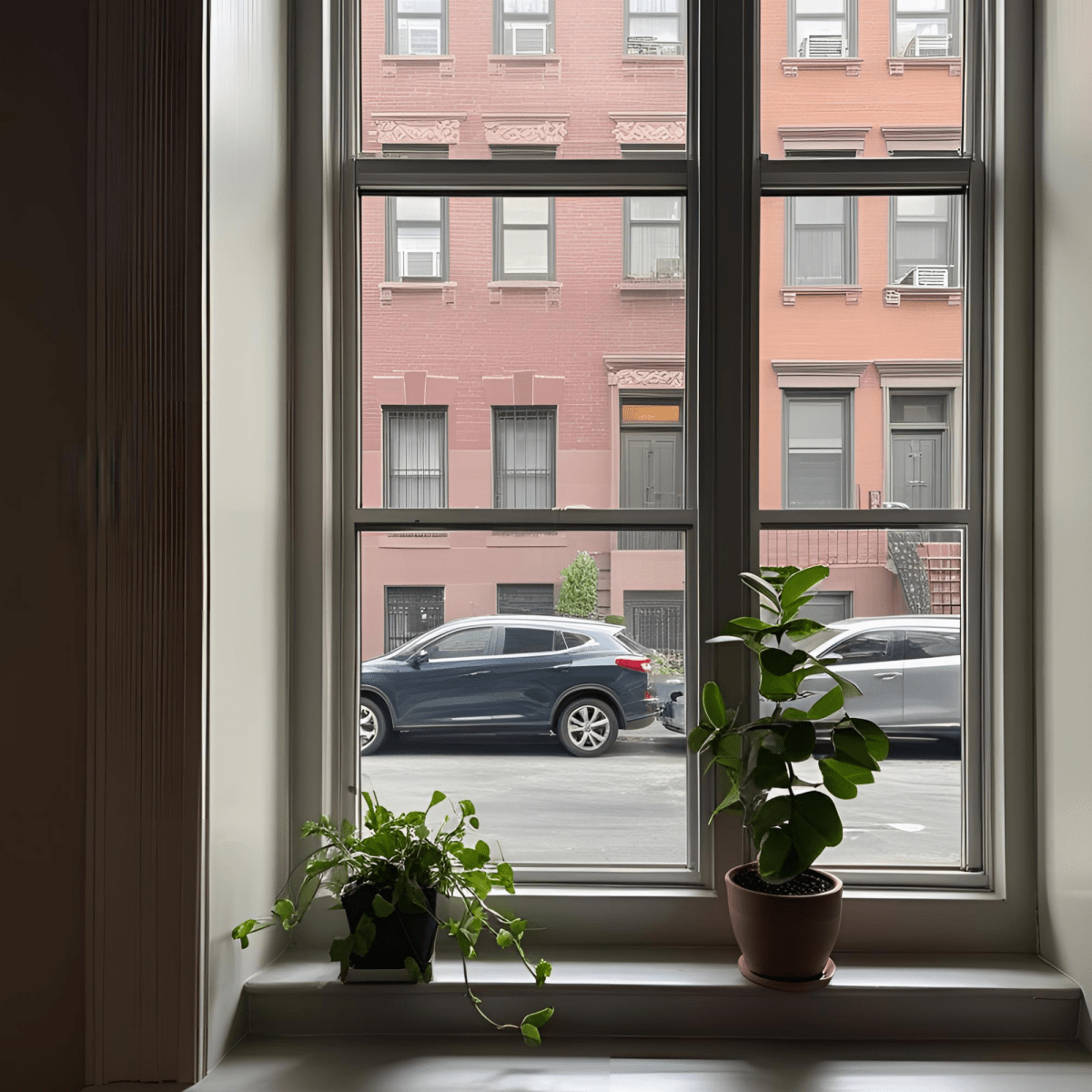
- Can you comfortably read beside the window without a lamp?
- Does the plant cast any visible shadow?
- Can you see open sky from the window, or only another wall?
When the room remains dim throughout the day, treat it as a low-light space regardless of compass direction. A room with no meaningful natural light needs supplemental lighting — browse our grow lights for indoor plants.
NYC Conditions That Change Your Plant’s Light
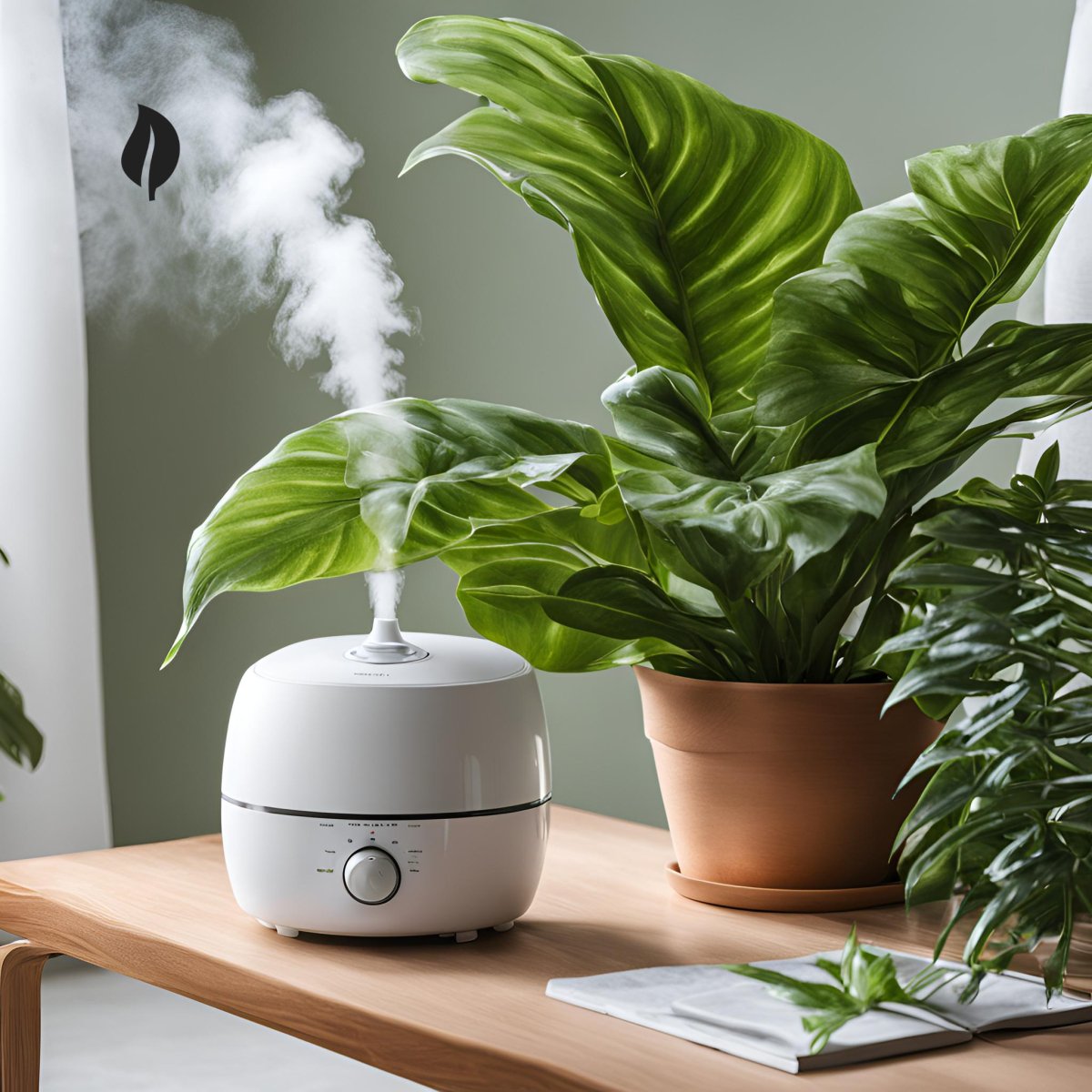
Scaffolding
Sidewalk sheds can reduce apartment light for months. Move higher-light plants closer to the window or add a grow light.
Fire Escapes
A fire escape may create partial shade even in an otherwise bright exposure. Never place plants where they obstruct emergency access.
Radiator Heat
A sunny window above a radiator creates two stresses: strong light and very dry heat. Move foliage away from the direct stream of hot air.
Window Air Conditioners
Cold, dry air blowing directly onto tropical foliage causes browning and stress. Place plants beside the airflow rather than directly in front of it.
Seasonal Changes
The same window will not provide identical light all year. Reevaluate plant placement when you notice stretching, fading, scorching or unusually slow drying.
Five Simple Placement Rules
- Match the plant to the current room: Do not buy for the light you wish the apartment had.
- Start conservatively: Move plants into stronger direct light gradually.
- Use a sheer curtain when necessary: It softens harsh west- or south-facing summer sun.
- Adjust watering with the light: Darker conditions mean slower drying; brighter conditions mean faster drying.
- Watch the new growth: Stretching and lost variegation indicate insufficient light. Bleached or crispy patches indicate too much direct sun.
Frequently Asked Questions
What is the best plant for a north-facing NYC window?
Pothos, Heartleaf Philodendron, ZZ Plants and snake plants are all adaptable options.
Which window direction is easiest for houseplants?
An unobstructed east-facing window is often the easiest exposure — gentle morning sun and useful indirect light without intense afternoon heat.
Can a low-light plant survive in a room with no windows?
Not indefinitely without supplemental light. Add an appropriate grow light when the room receives no meaningful natural daylight.
Does Ed’s Plant Shop deliver plants locally in NYC?
Yes. Browse our houseplants for NYC local delivery and enter your address at checkout.
Find the Right Plant for Your NYC Apartment
The best plant is the one that matches the light you actually have. Take a few minutes to check your window direction, look at the obstacles outside, and observe the room at several points during the day.
Browse houseplants for NYC local delivery, or visit our in-stock plant collection.
Know a fellow NYC plant lover?
Plant varieties, pot sizes and inventory can change. Visit each linked product page to view the most current ordering options before purchasing.
Written by Edward Casano of Ed’s Plant Shop, based on years of helping New Yorkers choose plants for real apartments—not showroom lighting.