18-11-2025
Best plant people online’
I’ve ordered multiple times from Ed’s! My plants arrive healthy, well packed & for a reasonable price! I highly recommend these folks!
🌿 NYC Plant Delivery Available! Shop online today for fresh plants delivered locally across Brooklyn, Queens & Manhattan. Nationwide shipping also available.



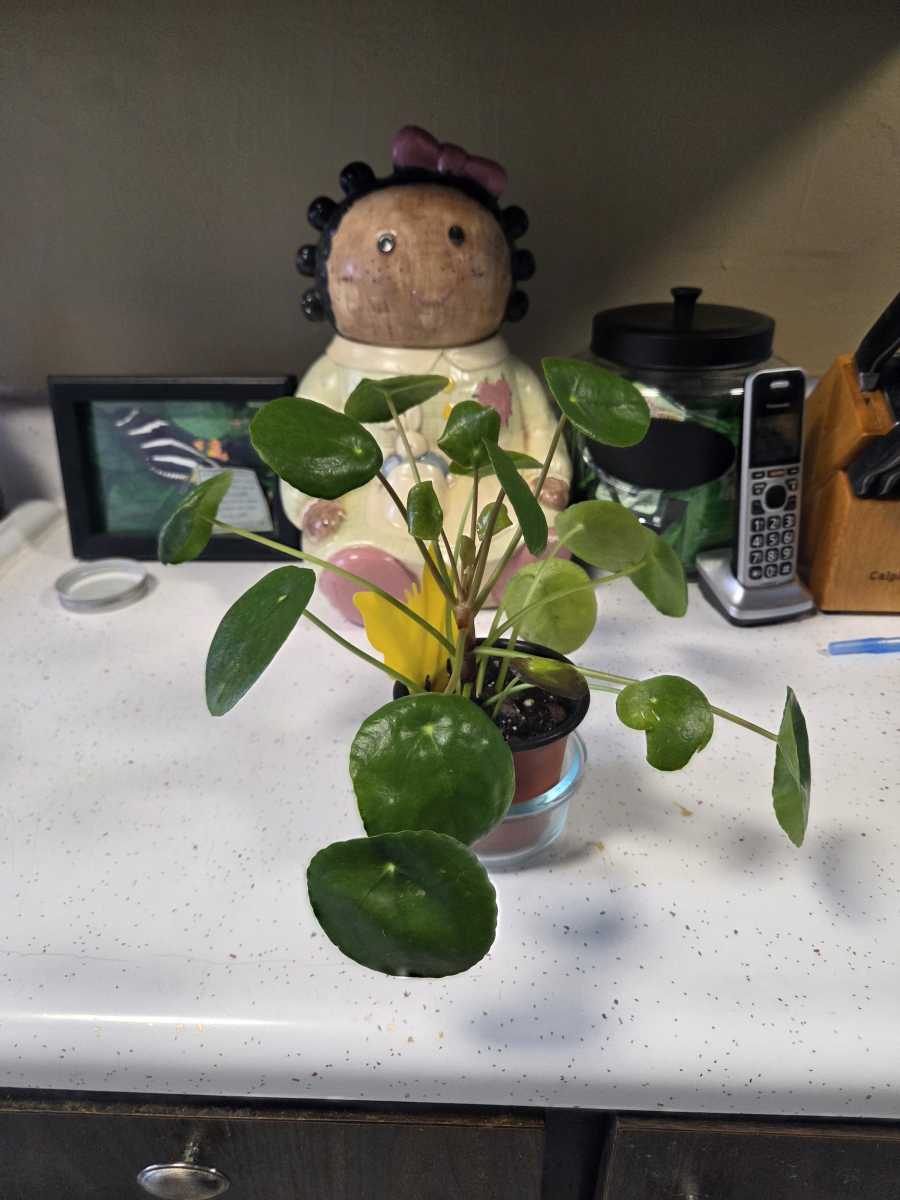
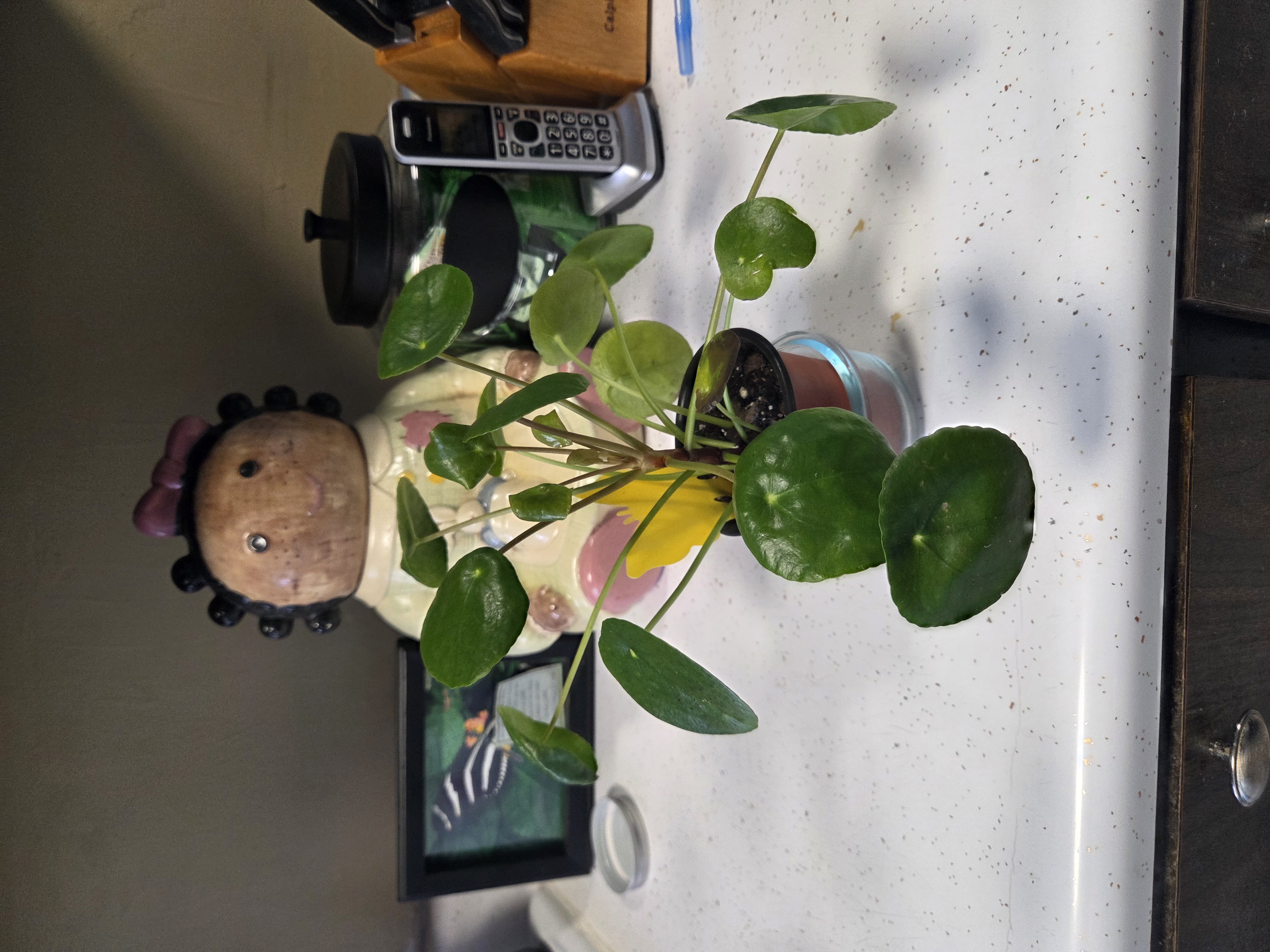
Pilea Peperomioides 'Friendship Plant' - 3.5" Nursery Pot is backordered and will ship as soon as it is back in stock.
The Pilea peperomioides — the Chinese Money Plant, the Friendship Plant, the Pass-It-On Plant — has more nicknames than almost any other houseplant, and it earned them all. Its perfectly round, coin-shaped leaves on slender upright stems are immediately recognizable. It self-propagates freely, pushing up baby plants (pups) from its base that you can separate, pot up, and give away — which is exactly how it spread from a single Norwegian missionary’s collection in the 1940s to become one of the most-kept houseplants in the world.
It’s also genuinely easy to care for, stays compact, and is non-toxic to cats, dogs, and humans.
Agnar Espegren, a Norwegian missionary, brought Pilea peperomioides cuttings back from Yunnan, China in the 1940s. The plant spread across Scandinavia entirely through cuttings passed between friends and neighbors — long before it appeared in any nursery or garden center. By the time botanists formally identified it in the 1980s, it was already in thousands of homes. That history is baked into every pup it produces.
You’ll receive one healthy live plant in the nursery-pot or hanging-basket size selected above. The listed size refers to the approximate diameter of the nursery pot, not the plant’s total height or width.
Because every plant is naturally unique, height, fullness, leaf count, coloration, variegation, vine length, maturity, and overall shape may differ from the photographs.
Unless the product listing specifically states otherwise, plants arrive in a standard nursery grow pot. Decorative planters, baskets, saucers, stands, and other accessories are sold separately.
Please allow approximately 10–15 business days for processing and preparation. Ten business days is the earliest end of the range, and many orders require most or all of the stated processing window.
Processing time is separate from carrier transit time. Local NYC delivery also requires preparation and does not automatically mean same-day or next-day service.
Orders may occasionally require additional time because of plant availability, order volume, weather, seasonal demand, or courier coordination. We will send an update when confirmed fulfillment, tracking, or delivery information becomes available.
Each live plant is inspected and packed according to its size, shape, and shipping needs. Soil and foliage may be secured to reduce movement during transit, and protective materials may be added when appropriate.
Temporary drooping, shifted soil, limited leaf loss, or minor cosmetic stress can occur while a plant adjusts after shipping. This does not necessarily mean the plant is unhealthy.
Unpack the plant promptly and carefully remove all protective packaging. Place it in appropriate light and allow it time to adjust to its new environment.
Check the soil before watering. Do not water automatically upon arrival because the plant may already have adequate moisture. Avoid immediately fertilizing, heavily pruning, or repeatedly moving the plant while it acclimates.
We generally recommend allowing a newly delivered plant time to acclimate before repotting unless there is an urgent plant-health reason to do so.
Repotting an eligible small plant during the first 15 days may void the Plant Health Guarantee because it can make the cause of decline difficult to determine.
Report shipping or delivery damage within 48 hours. Keep the plant and all packaging while the concern is being reviewed.
Please provide your order number, a photograph of the entire plant, close-up photographs of the concern, and photographs of the box and packaging when applicable.
Small plants in nursery pots measuring 8 inches and below may also qualify for our 15-Day Plant Health Guarantee. Large plants in nursery pots measuring 10 inches and above have a 48-hour inspection and reporting window.
Review our Refund & Returns Policy for complete eligibility and documentation requirements.
For the fastest assistance, use the AI chat assistant on our website. It can help with common order-status, delivery, policy, product, and plant-care questions.
Have your order number and the email address used at checkout available when asking about an order. When a concern requires photographs or human review, email support@edsplantshop.com.