
Why Begonias Make Great Indoor Plants
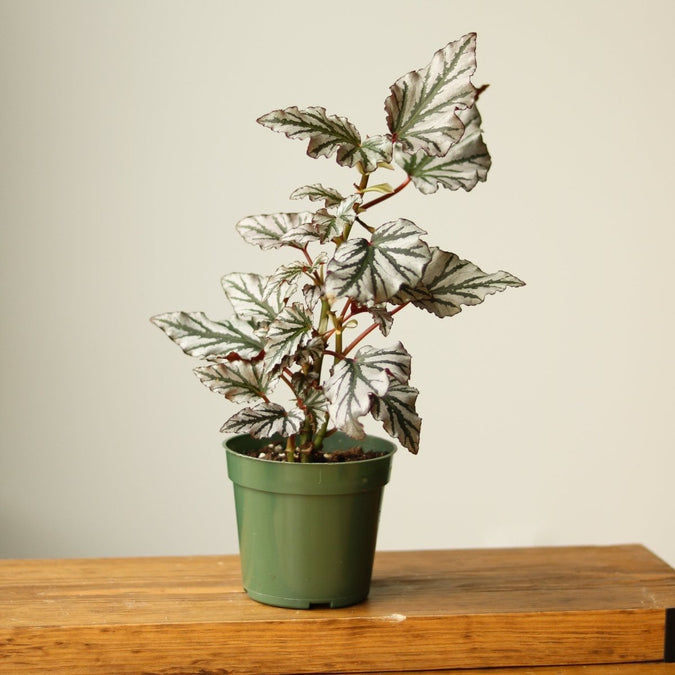
With their vibrant colors and distinct leaf patterns, begonias add a touch of artistry to any indoor space. These beauties come in a range of sizes and colors, from rich reds to deep greens and bright pinks, often with striking patterns that make them a living piece of art. Despite their flashy looks, begonias can be pretty low-maintenance if you know what they like. Let’s dig into the key aspects of begonia care and keep those leafy gems happy.

Light Requirements for Begonias: Bright But Indirect
Begonias love bright, indirect light. Too much direct sun can scorch their delicate leaves, but low light can lead to leggy growth and less vibrant colors. A spot near a window with filtered light or dappled sunlight is perfect.
Light Tip: If your begonia is looking a bit sunburned (aka crispy), it might be time to back it away from direct rays or throw up a curtain for some shade.
Proper Watering Techniques For Begonias: Strike the Perfect Balance
While begonias are fans of moist soil, they’re also picky about too much water. Aim to keep the soil consistently damp but avoid overwatering—begonias do not like wet feet, and soggy soil can lead to root rot. Water when the top inch of soil feels dry to the touch.
Watering Wisdom: Begonias can be a bit of a “Goldilocks” plant—they want their water “just right.” If you notice yellowing leaves, they might be telling you, “Too much, buddy!”

Humidity and Temperature: Keep It Cozy
Begonias are tropical at heart, so they thrive in warm, humid environments. Ideal temperatures are between 65°F and 75°F. If your home tends to be dry, consider placing a humidifier nearby or using a pebble tray to keep their surroundings comfortably humid.
Humidity Hack: Your begonia’s happy place would be a tropical spa. If it starts looking shriveled or crispy, it might be saying, “More steam, please!”
Soil for Begonias: Light and Well-Draining
Good drainage is a must for begonias! They prefer a light, well-draining potting mix rich in organic matter. A standard potting mix with some added perlite or peat moss will do the trick. Avoid heavy, clay-based soils, as these can lead to waterlogged roots and unhappy plants. In the shop, we really enjoy using our hand blendes of vermiculite and perlite!
Pro Tip: Think of it like this—begonias are the picky eaters of the plant world, preferring their soil “fluffy” and well-draining.
How To Fertilize Your Begonia: Feed Sparingly
Begonias don’t need a heavy dose of fertilizer. A balanced, water-soluble fertilizer diluted to half strength every 4-6 weeks during the growing season (spring and summer) will support vibrant foliage and flowers. In fall and winter, you can skip the feeding altogether, as they tend to go dormant.
Feed Fact: Begonias are light eaters; think of them as the “small-plate sharers” of the plant world. Overfeeding can lead to salt buildup in the soil, which they’re not fans of.
Common Issues and Solutions for Begonias
Drooping Leaves? Your begonia might be thirsty, but it could also be adjusting to its new home. Give it a little time and check the soil’s moisture.
Leaf Spots? Brown or yellow spots often mean your begonia got a bit too much sun. Move it to a spot with indirect light and let it recover.
Powdery Mildew? This fungal issue can pop up in humid conditions. Improve air circulation around your plant, and consider using a fungicide if needed.
Winter Care: A Little Extra TLC
During winter, begonias need less water and are happiest in a slightly cooler environment (but not below 55°F). Cut back on watering, keep them in a well-lit spot, and avoid drafts from windows or doors.
Winter Tip: Begonias are like the “indoorsy” types in winter—keep them warm and cozy, away from any chilly gusts, and they’ll make it through just fine.
Repotting and Propagating Begonias
Begonias don’t need frequent repotting, but if roots are peeking out of the drainage holes, it might be time. Spring is the ideal time to repot them into fresh soil. Begonias are also easy to propagate—just snip a healthy leaf or stem and place it in water or soil, and you’ll likely see new growth in a few weeks.

Conclusion: Happy Begonia, Happy Home
With the right amount of light, water, and humidity, begonias will reward you with vibrant foliage and, if you’re lucky, even a few flowers. Keep the soil well-drained, give them a light feeding in spring and summer, and watch them thrive!