
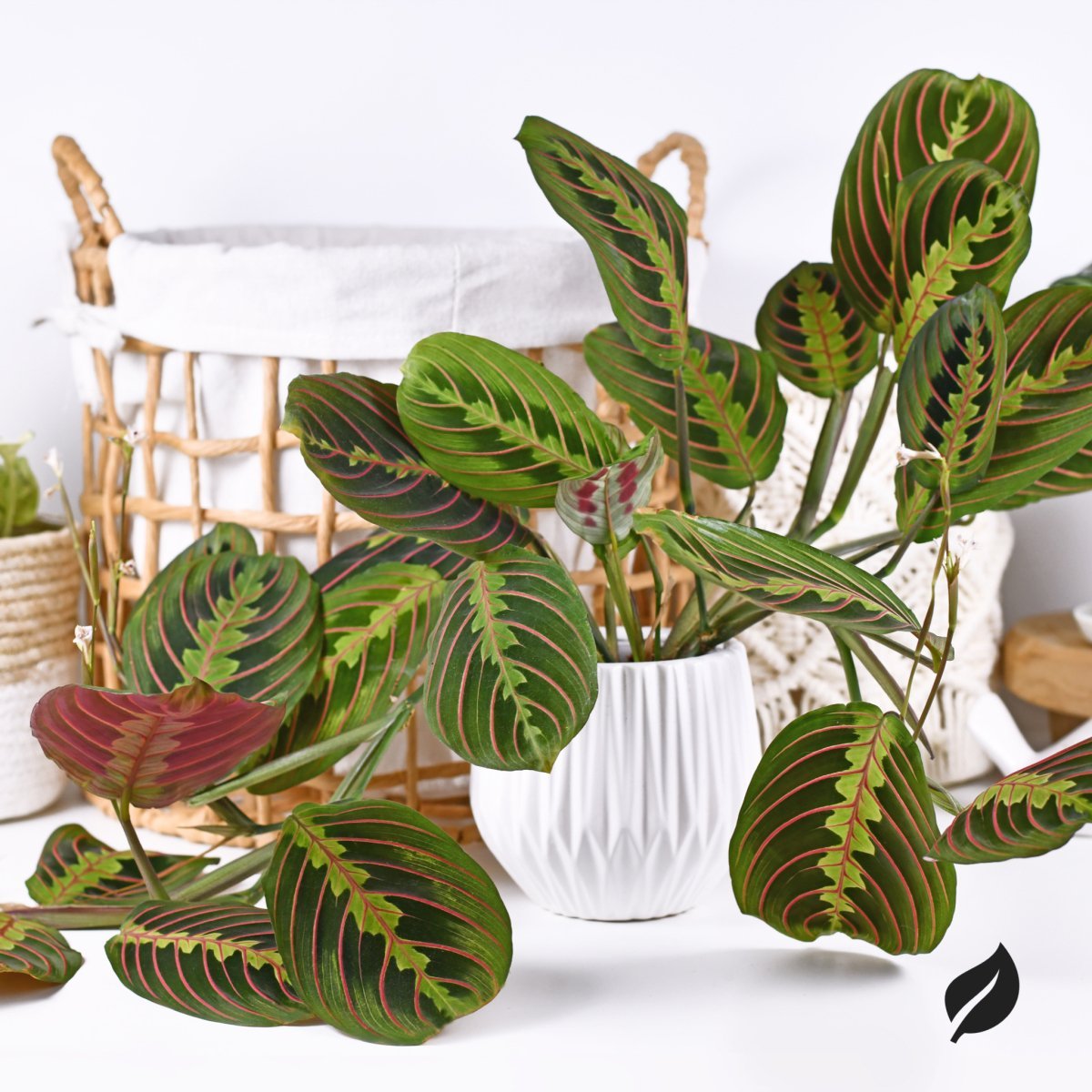
With unique leaves, unfurling foliage, and beautiful movement throughout the day, Maranta plants are some of the most captivating houseplants you can grow. Commonly known as Prayer Plants, they earned their nickname because their leaves fold upward at night, almost like praying hands.
Prayer Plants are popular indoor plants for a reason: they’re colorful, pet-friendly, and full of personality. With the right light, water, humidity, and soil, they can grow happily indoors year-round.
Prayer Plant Care Tips for a Healthy Plant
Prayer Plant care is all about creating a warm, humid, consistent environment. Like Calathea plants, Maranta prefer conditions that mimic the tropical forest floor: filtered light, evenly moist soil, and higher humidity.
Sunlight and Temperature
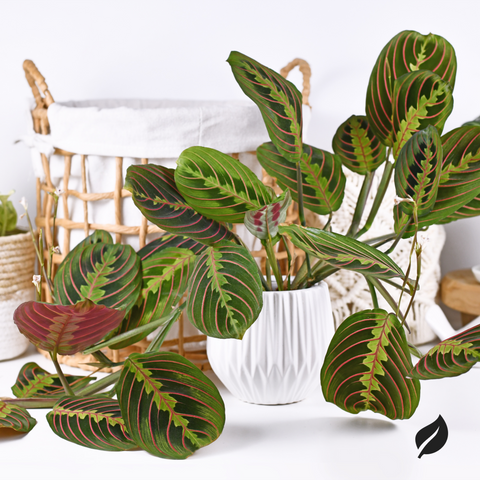
Avoid placing your Maranta in direct sunlight, which can scorch the leaves and fade its beautiful markings. Prayer Plants do best in bright, indirect light, though they can tolerate medium-light areas as long as they are not kept too dark.
They also prefer normal household temperatures and should be protected from cold drafts, air conditioners, and prolonged chilly conditions. If exposed to cold temperatures for too long, Prayer Plants may develop leaf damage or begin dropping leaves.
Humidity and Watering
Prayer Plants do not like to dry out completely. They are part of a larger group of plants that prefer evenly moist soil, meaning the soil should stay lightly moist but never soggy.
Consistent underwatering is one of the most common reasons for curling leaves, crispy edges, or leaf drop. Water when the top layer of soil begins to feel slightly dry, and always use room-temperature water when possible.
During winter, your Prayer Plant may grow more slowly and need less frequent watering. Check the soil before watering rather than relying on a strict schedule.
Soil
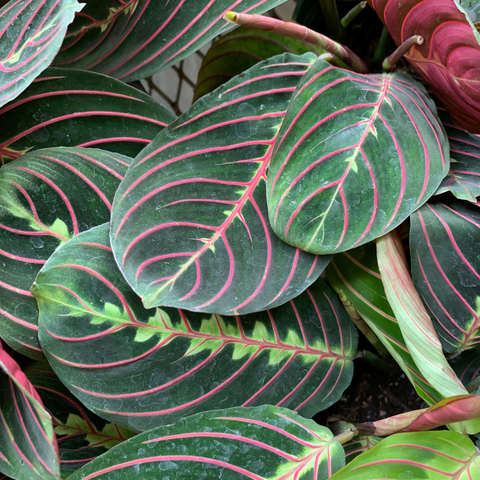
When it comes to Prayer Plant care, drainage is essential. Maranta can grow well in a variety of potting mixes as long as the soil holds some moisture while still allowing excess water to drain freely.
A high-quality indoor potting mix amended with perlite, bark, or another drainage-friendly ingredient usually works well. The goal is to avoid both extremes: soil that dries out too quickly and soil that stays wet for too long.
Fertilizer
Feed your Maranta lightly during the active growing season in spring and summer. A diluted houseplant fertilizer every few weeks can support healthy foliage growth.
In fall and winter, reduce feeding since the plant naturally slows down. Too much fertilizer can burn the roots or cause leaf damage, so it is better to fertilize lightly than overdo it.
Conclusion
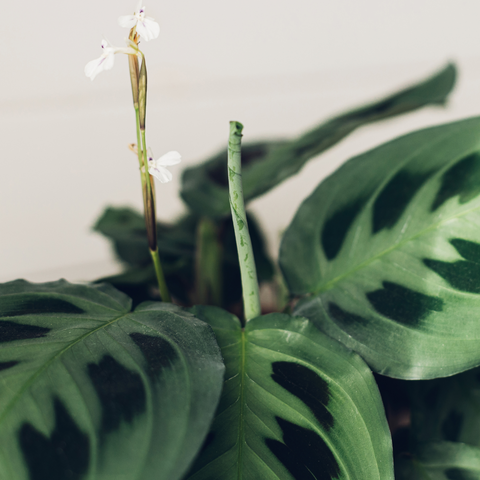
With their striking foliage, gentle movement, and pet-friendly nature, Prayer Plants are a beautiful choice for adding warmth and color to your home. Give them bright indirect light, consistent moisture, and a little extra humidity, and they’ll reward you with lush, vibrant growth.
Ready to add a Prayer Plant to your collection? Shop Maranta plants at Ed’s Plant Shop.