
Tradescantia Care Guide: How to Grow Colorful, Trailing Tradescantia Indoors
Tradescantia is one of the easiest and most colorful houseplants to grow indoors. Known for its trailing stems, bold foliage, and fast growth, Tradescantia is perfect for hanging baskets, shelves, tabletops, and bright windowsills.
Whether you love the pink and purple tones of Tradescantia Nanouk, the silver striping of Tradescantia Zebrina, or the vivid color of Tradescantia Pink Paradise, this care guide will help you keep your plant full, vibrant, and healthy.
🌿 Shop Colorful Tradescantia Plants
Explore vibrant trailing Tradescantia varieties including Nanouk, Zebrina, Pink Paradise, Rhoeo, and more colorful houseplants for shelves, hanging baskets, and bright indoor spaces.
Discover the Unique Beauty of Tradescantia
Tradescantia is loved for its colorful foliage and easy-going growth habit. Many varieties trail beautifully over the edges of pots, making them ideal for hanging planters, shelves, and plant walls. Others, like Tradescantia Spathacea Rhoeo, grow more upright and compact.
Because Tradescantia grows quickly and responds well to pruning, it is also one of the best houseplants for propagation. With regular trimming and bright light, you can keep your plant looking full while creating new cuttings to share or replant.
A Note on Tradescantia Names
Tradescantia gets its name from John Tradescant, a 17th-century English botanist. Some varieties have historically been sold under the common name “Wandering Jew,” but many plant shops and growers now use names like Wandering Dude, Inch Plant, or simply Tradescantia.
In this guide, we’ll use the botanical name Tradescantia wherever possible, along with specific variety names like Nanouk, Zebrina, Pink Paradise, and Rhoeo.
Popular Tradescantia Varieties to Grow Indoors
There are many beautiful Tradescantia varieties, each offering a different mix of color, texture, and growth habit. Here are a few favorites to consider for your indoor collection.
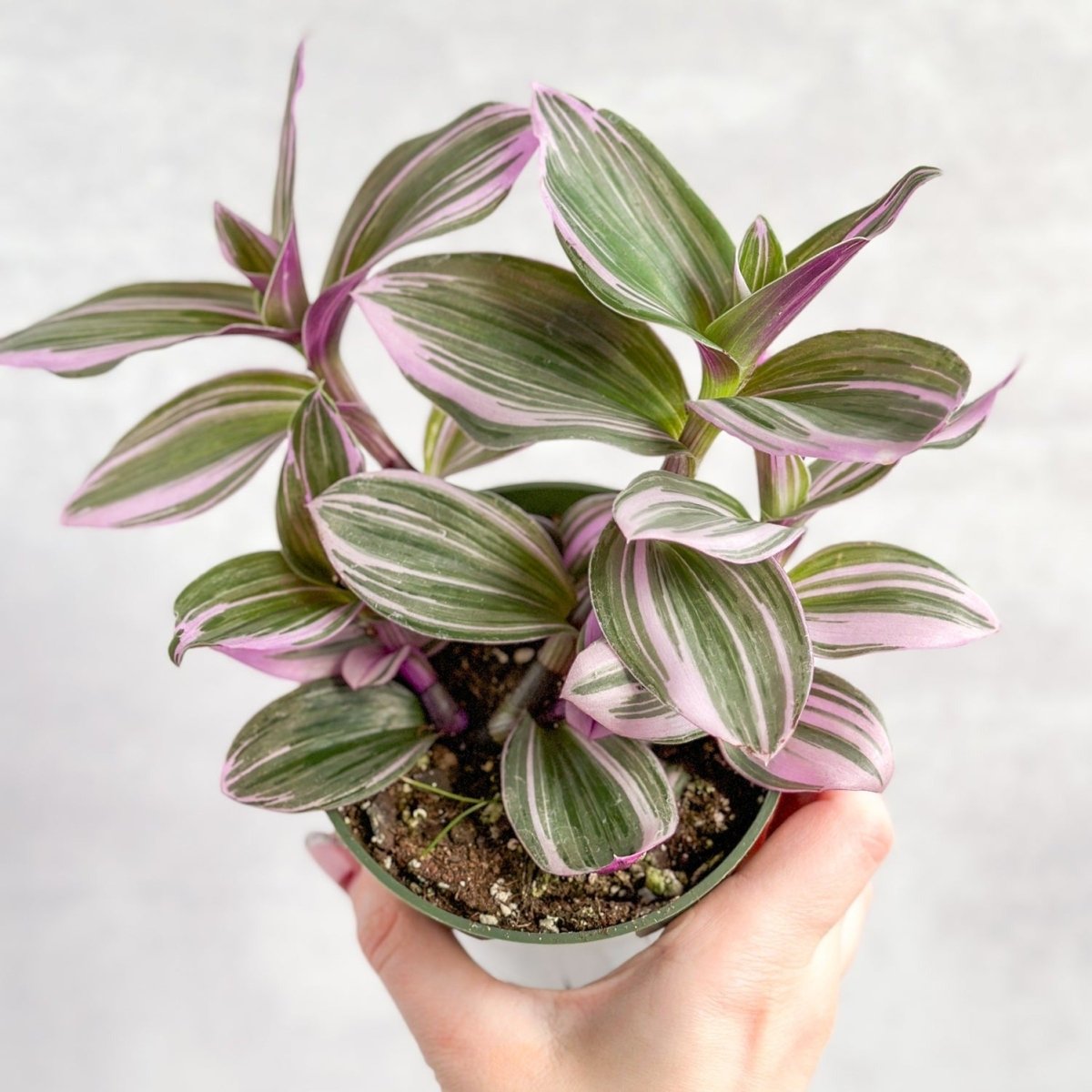
1. Tradescantia Nanouk
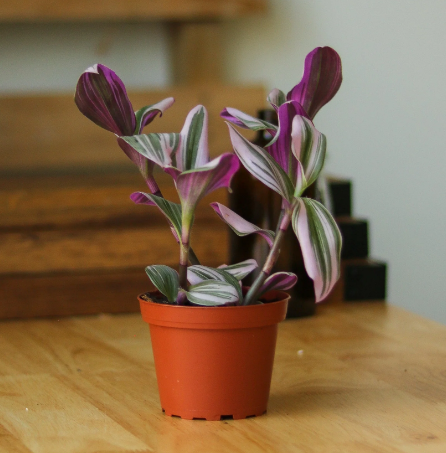
Tradescantia Nanouk is known for its pink, purple, cream, and green foliage. Its chunky stems and pastel coloring make it one of the most popular Tradescantia varieties for indoor growers.
This variety looks beautiful on tabletops, shelves, and in hanging baskets where its colorful stems can trail over the edge.
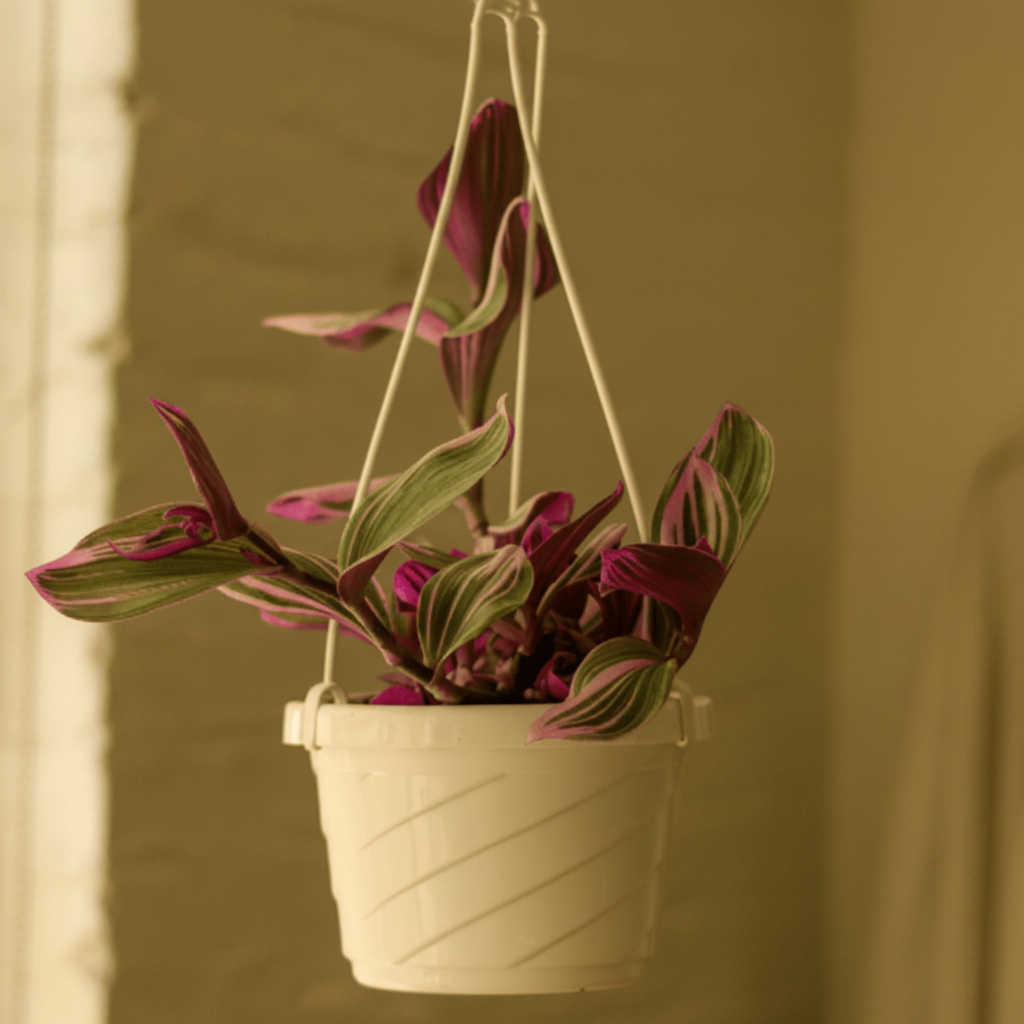
2. Bubblegum Tradescantia Hanging Basket
The Bubblegum Tradescantia Hanging Basket is perfect if you want instant color and trailing growth. Its soft pink and lilac tones make it a standout choice for bright windows, plant hooks, and hanging displays.
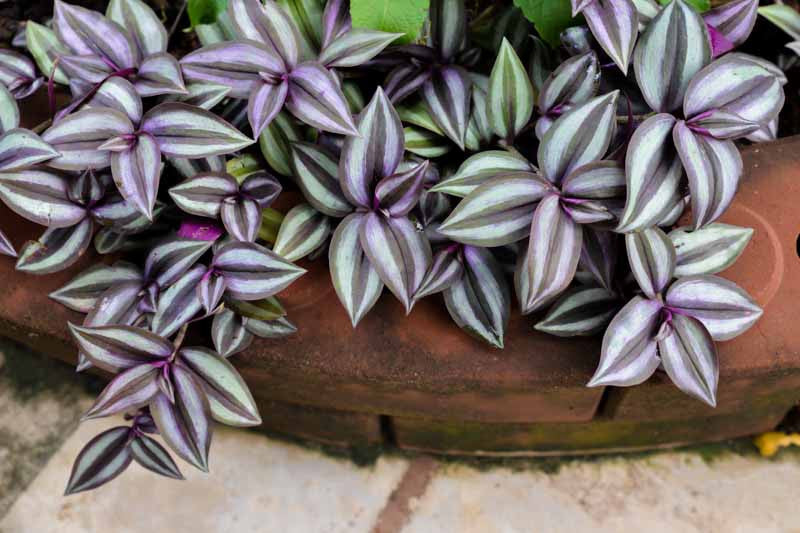
3. Tradescantia Zebrina ‘Wandering Dude’
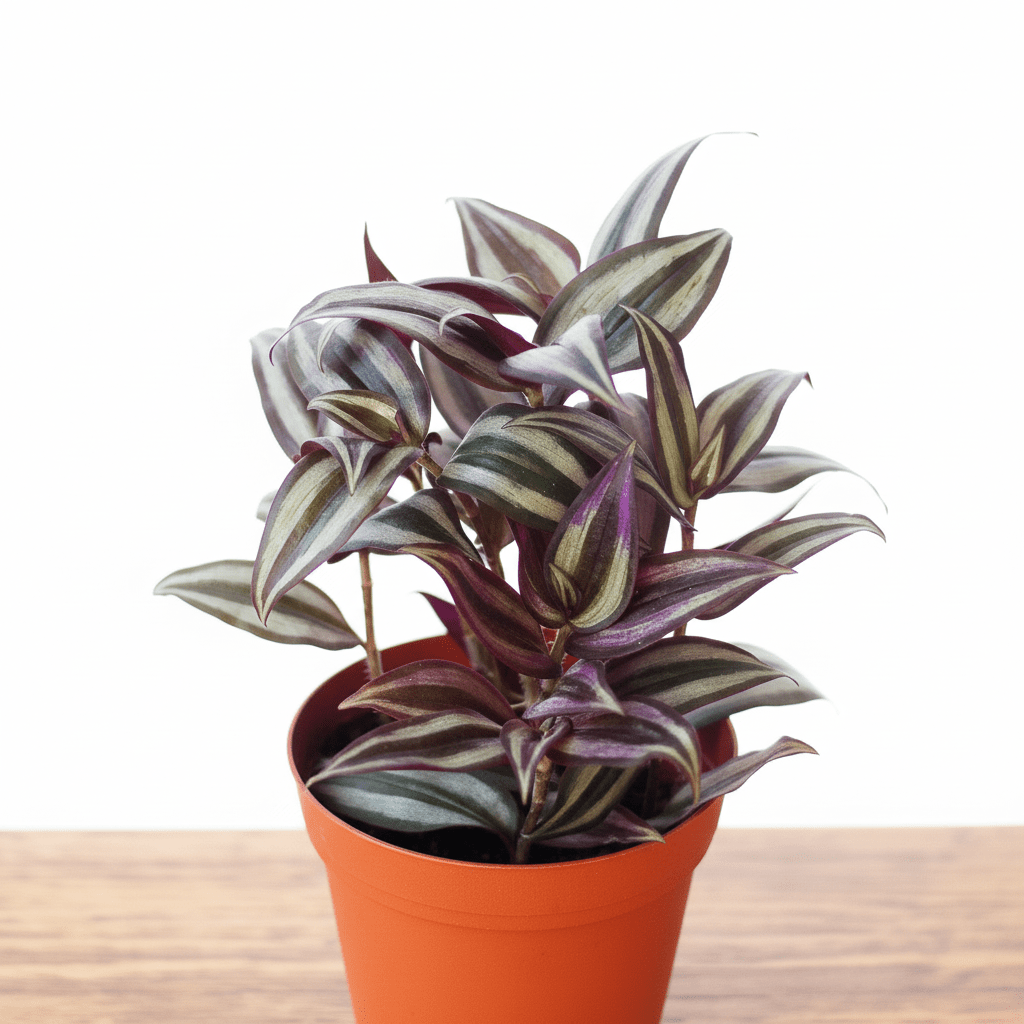
Tradescantia Zebrina is a fast-growing trailing plant with purple, green, and silver striped leaves. Its metallic sheen makes it especially eye-catching in hanging baskets and on bright shelves.
This is one of the easiest Tradescantia varieties to grow and propagate, making it a great option for beginners.
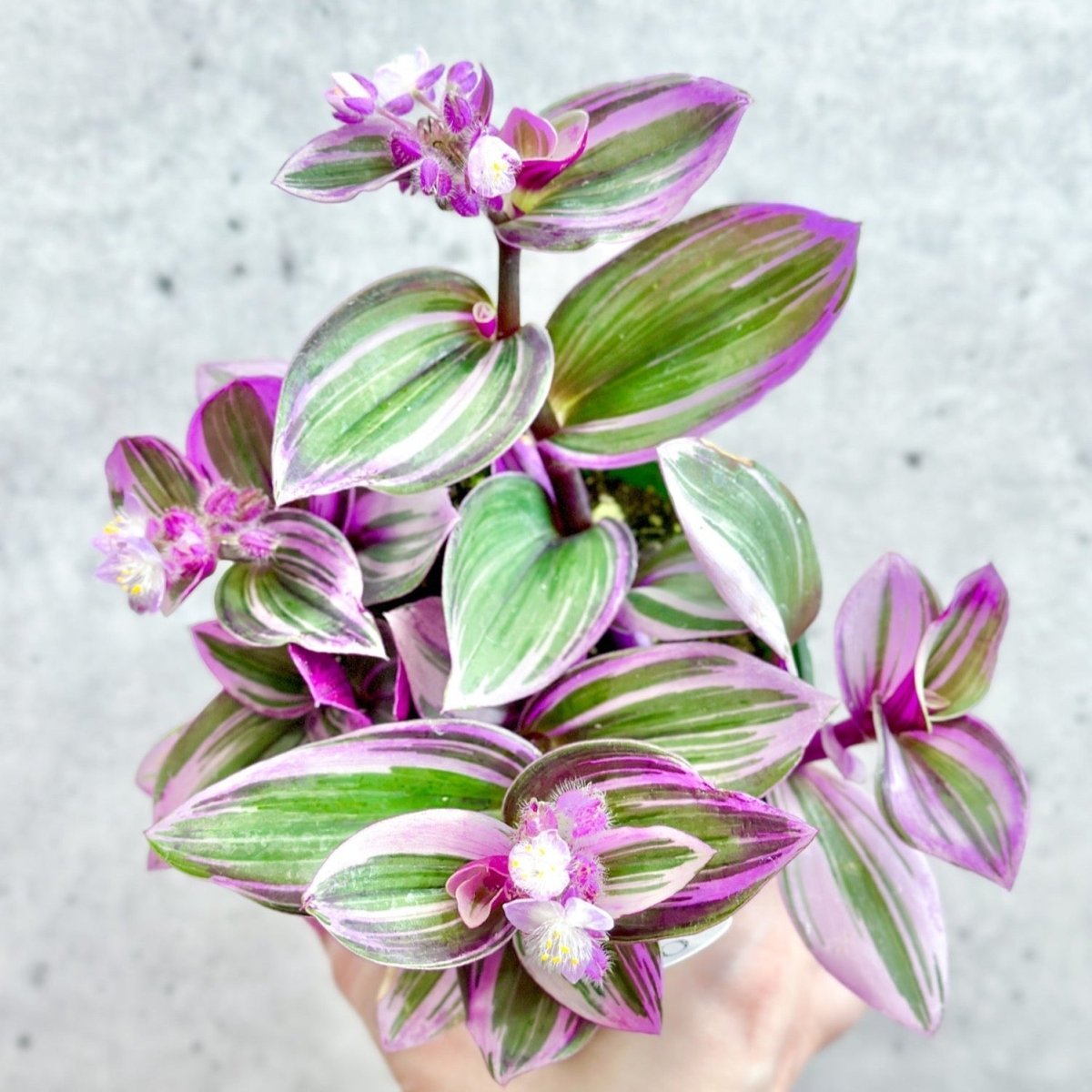
4. Tradescantia Pink Paradise
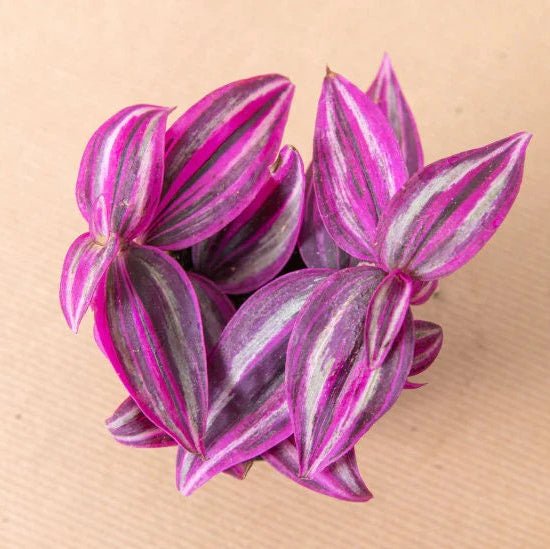
Tradescantia Pink Paradise brings vivid pink, silver, and green tones to your indoor plant collection. Its trailing growth habit makes it a natural fit for shelves, plant stands, and hanging planters.
5. Tradescantia Spathacea Rhoeo
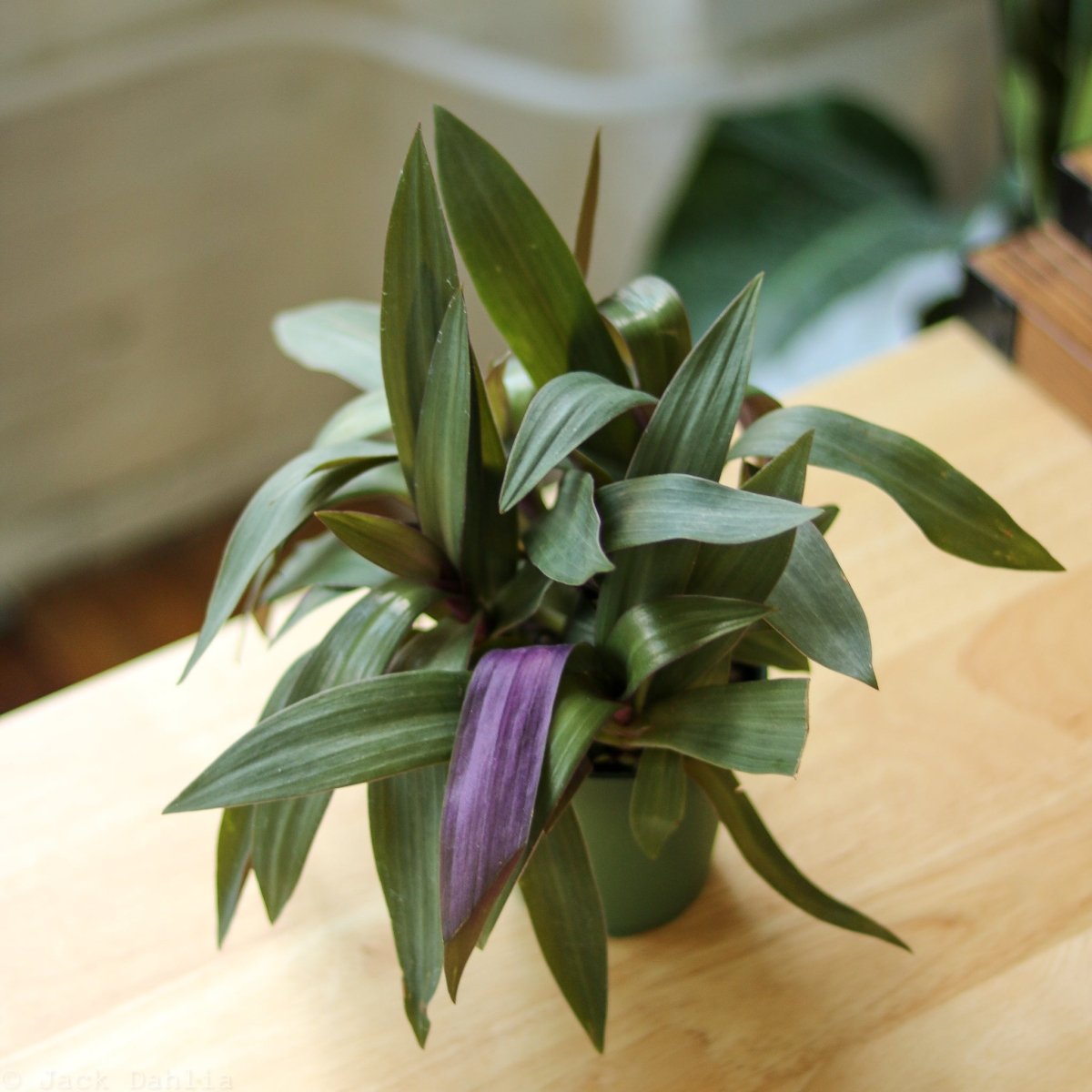
Tradescantia Spathacea Rhoeo, also known as Moses in the Cradle, has a more upright growth habit than many trailing Tradescantia varieties. Its green leaves and rich purple undersides add color and contrast to tabletops and bright indoor spaces.
Tradescantia Light Requirements
Tradescantia grows best in bright, indirect light. Strong light helps maintain the plant’s vibrant color and compact growth. If your Tradescantia is not getting enough light, the stems may become leggy and the colors may fade.
A spot near an east-facing window or a few feet back from a bright south or west-facing window is usually ideal. Avoid harsh direct afternoon sun, which can scorch delicate leaves.
How Often to Water Tradescantia
Tradescantia prefers lightly moist soil, but it should never sit in soggy conditions. Water when the top inch of soil feels dry, then allow excess water to drain away completely.
If the leaves become soft, yellow, or mushy, the plant may be receiving too much water. If the stems look limp and the soil is bone dry, increase watering slightly. In lower light or cooler months, Tradescantia will usually need less frequent watering.
Best Temperature and Humidity for Tradescantia
Tradescantia prefers average indoor temperatures and does best in a stable environment. Avoid cold drafts, extreme heat, and sudden temperature swings.
Moderate household humidity is usually enough, but higher humidity can support fuller growth and help prevent crispy leaf edges. If your home is very dry, group plants together or place Tradescantia near other tropical houseplants.
Soil and Potting Mix for Tradescantia
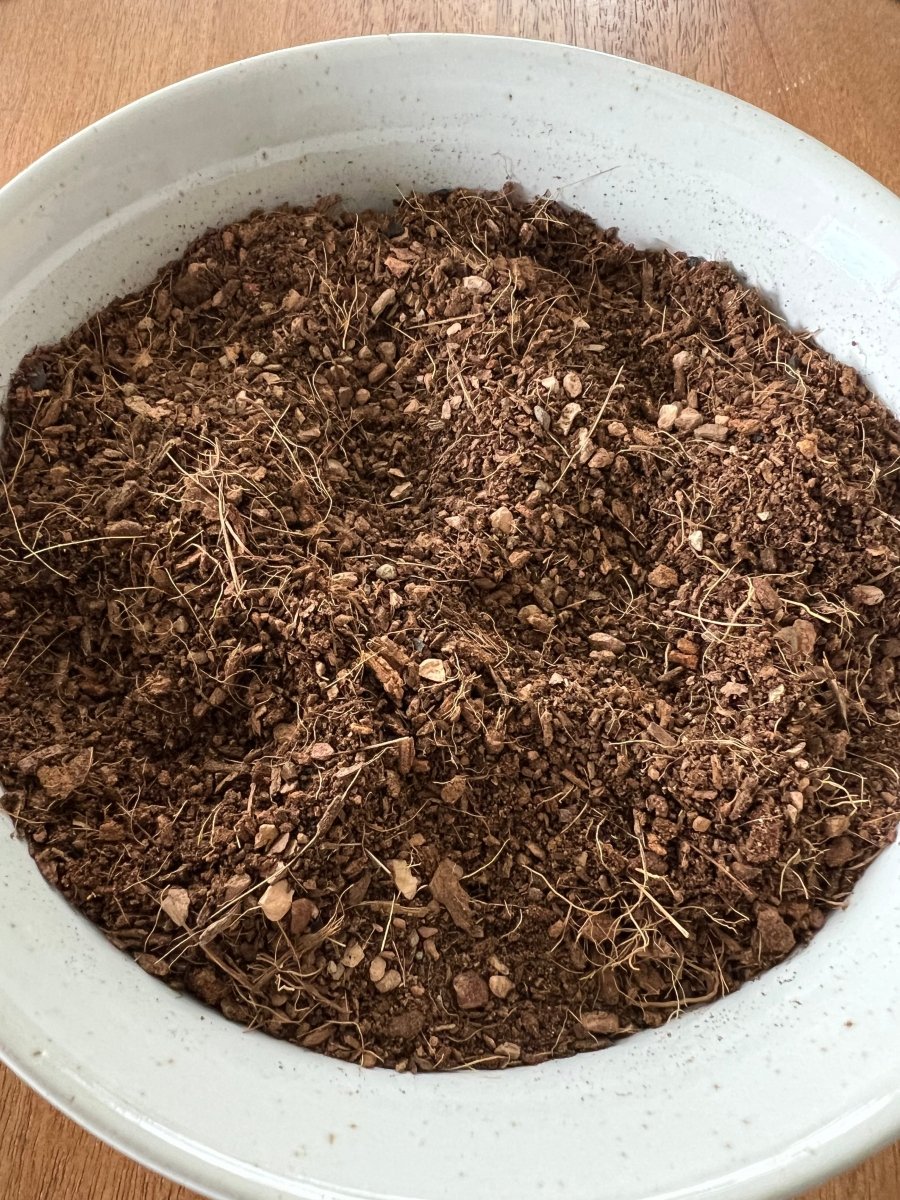
Tradescantia grows best in a well-draining potting mix that holds some moisture without becoming compacted. A light indoor potting mix works well, especially in pots with drainage holes.
If you plan to propagate cuttings or refresh a leggy plant, our Seedling & Propagation Mix is a helpful option for rooting new cuttings and supporting young plants.
Fertilizing Tradescantia
Tradescantia is a fast grower during spring and summer, so light feeding can support fuller growth and stronger color. Use a balanced houseplant fertilizer according to label instructions during the active growing season.
Avoid overfertilizing, which can cause weak growth or root stress. In fall and winter, reduce or pause feeding as growth naturally slows.
Browse our Plant Care Essentials Collection for soils, amendments, fertilizers, and care tools for indoor plants.
How to Prune Tradescantia for Fuller Growth
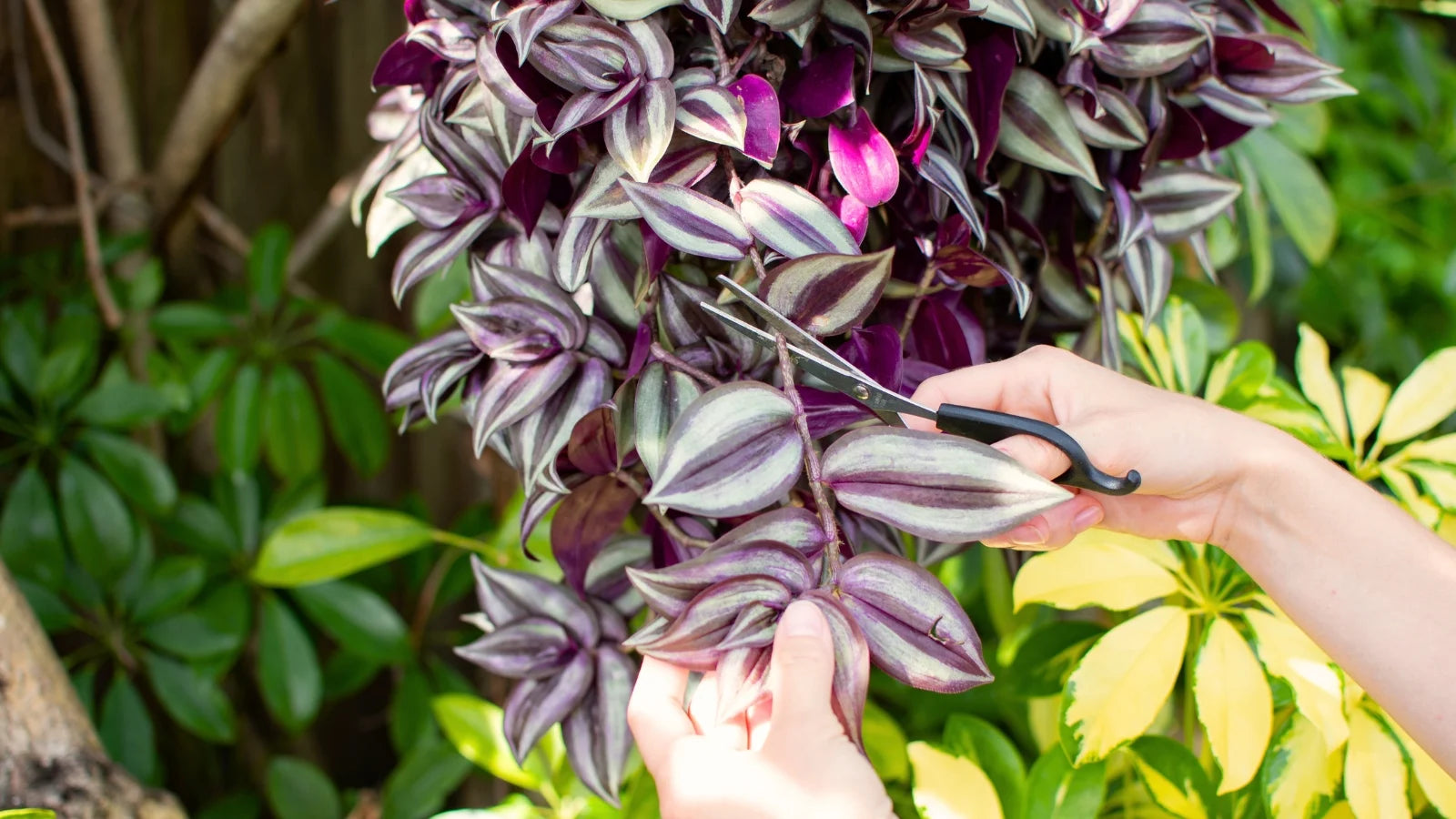
Regular pruning is one of the best ways to keep Tradescantia looking full and healthy. Because it grows quickly, stems can become long and sparse over time, especially in lower light.
Pinch or trim long stems just above a node to encourage branching. You can then root the cuttings and replant them back into the same pot for a fuller, bushier plant.
How to Propagate Tradescantia
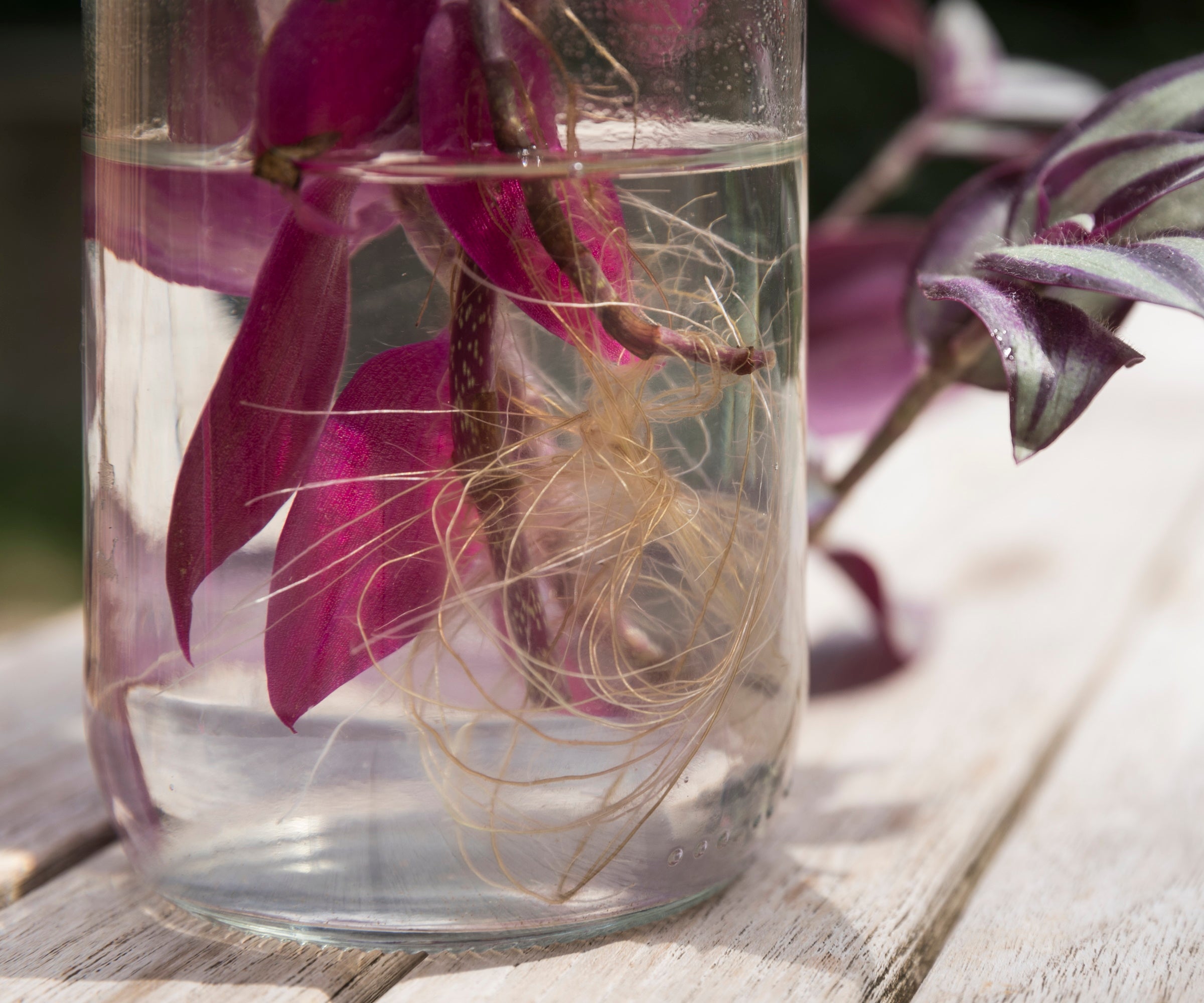
Tradescantia is one of the easiest houseplants to propagate. Simply cut a healthy stem just below a node, remove the lower leaves, and place the cutting in water or moist propagation mix.
Roots often develop quickly in warm, bright conditions. Once roots are established, plant the cutting into fresh potting mix. Propagation is also a great way to refresh a leggy Tradescantia by replanting cuttings back into the original pot.
For rooting cuttings, try our Seedling & Propagation Mix.
Why Is My Tradescantia Getting Leggy?
Leggy Tradescantia is usually caused by low light or a lack of pruning. When the plant stretches toward light, stems become long with more space between leaves.
To fix this, move the plant to brighter indirect light and prune back long stems. Replant rooted cuttings into the pot to create a fuller plant.
Is Tradescantia Pet Safe?
Tradescantia may be irritating or mildly toxic to pets if ingested, and its sap can bother sensitive skin. If you have cats, dogs, or curious pets, place Tradescantia in a hanging basket or on a high shelf out of reach.
If pet safety is your top priority, browse our Pet-Friendly Plants Collection for alternative houseplants.
Why Tradescantia Is a Low-Maintenance, Colorful Houseplant
Tradescantia is popular because it delivers a lot of color with relatively simple care. Give it bright indirect light, consistent watering, occasional pruning, and a well-draining potting mix, and it can grow quickly into a lush trailing plant.
Whether displayed in a hanging basket, trailing from a shelf, or used as a tabletop accent, Tradescantia adds movement, color, and charm to indoor spaces.
Add Color to Your Indoor Jungle
Shop colorful Tradescantia varieties including Nanouk, Zebrina, Pink Paradise, Rhoeo, and more trailing houseplants from Ed’s Plant Shop.
Frequently Asked Questions About Tradescantia Care
Is Tradescantia easy to care for?
Yes. Tradescantia is considered an easy-care houseplant as long as it receives bright, indirect light and is not left sitting in soggy soil.
Why is my Tradescantia getting leggy?
Leggy growth usually means the plant needs more light or regular pruning. Move it to brighter indirect light and pinch back long stems to encourage fuller growth.
How often should I water Tradescantia?
Water when the top inch of soil feels dry. Tradescantia likes consistent moisture but can develop root rot if overwatered.
Can Tradescantia grow in low light?
Tradescantia can survive in lower light, but it will usually lose color and become leggy. Bright, indirect light is best for vibrant foliage and compact growth.
Is Tradescantia pet safe?
Tradescantia may be irritating or mildly toxic to pets if ingested, so keep it away from cats, dogs, and curious animals.
How do I make Tradescantia fuller?
Prune long stems regularly and replant rooted cuttings back into the pot. Brighter indirect light also helps encourage more compact, bushy growth.
Ready to Add Tradescantia to Your Home?
With a little care, Tradescantia will reward you with colorful foliage, fast growth, and beautiful trailing stems. It is one of the best houseplants for adding instant color to shelves, hanging baskets, and bright indoor corners.
Explore our Tradescantia Collection, browse more Hanging & Trailing Indoor Plants, or find helpful supplies in our Plant Care Essentials Collection.